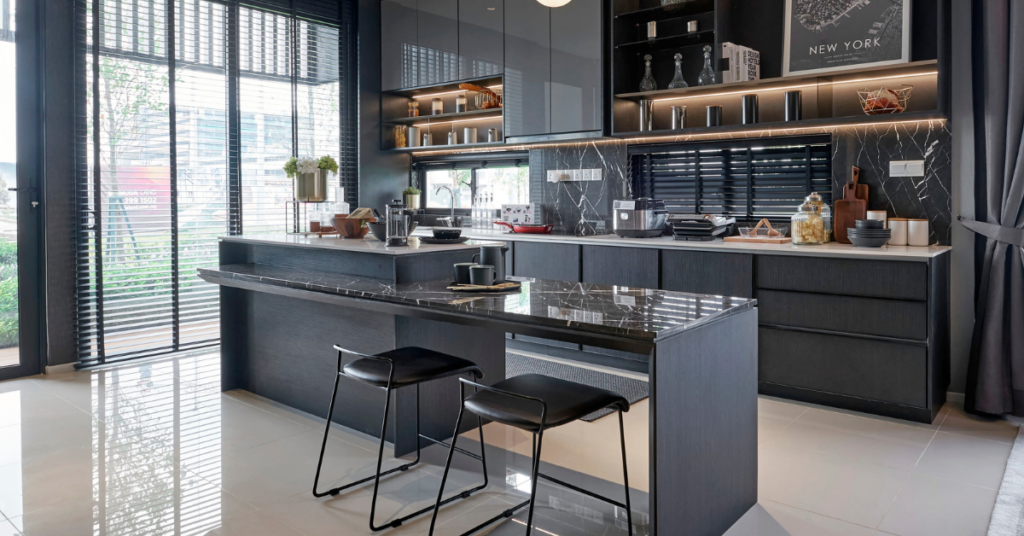
The Best Countertops for Your Michigan Kitchen: A Complete Guide

Kitchens are funny spaces, aren’t they? They’re where life happens in all its messy, wonderful glory—school projects spread across the counter, a pot of chili simmering on the stove, someone sneaking a spoonful of ice cream straight from the carton. And at the center of it all? Your countertops. They take the hits, hold the mess, and sometimes, when you’re lucky, even make you feel a little fancy.

If you’re ready to upgrade your kitchen countertops, you might be wondering where to start. Marble or granite? Quartz or laminate? Something timeless, or something trendy? Let’s break it down, Michigan-style, and figure out what works best for your home, your budget, and your life.

Countertop Materials

1. Marble: The Elegant Showstopper

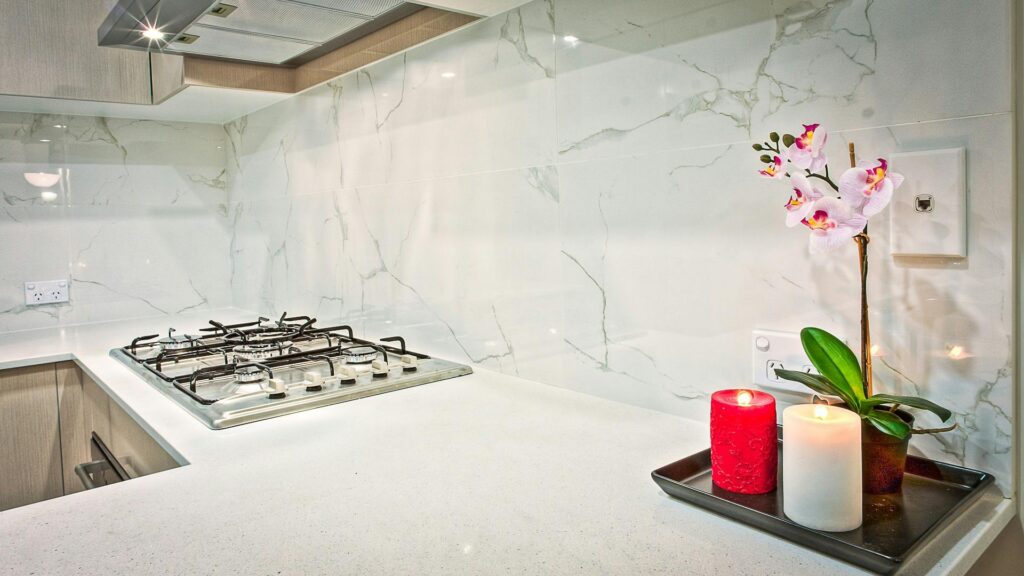
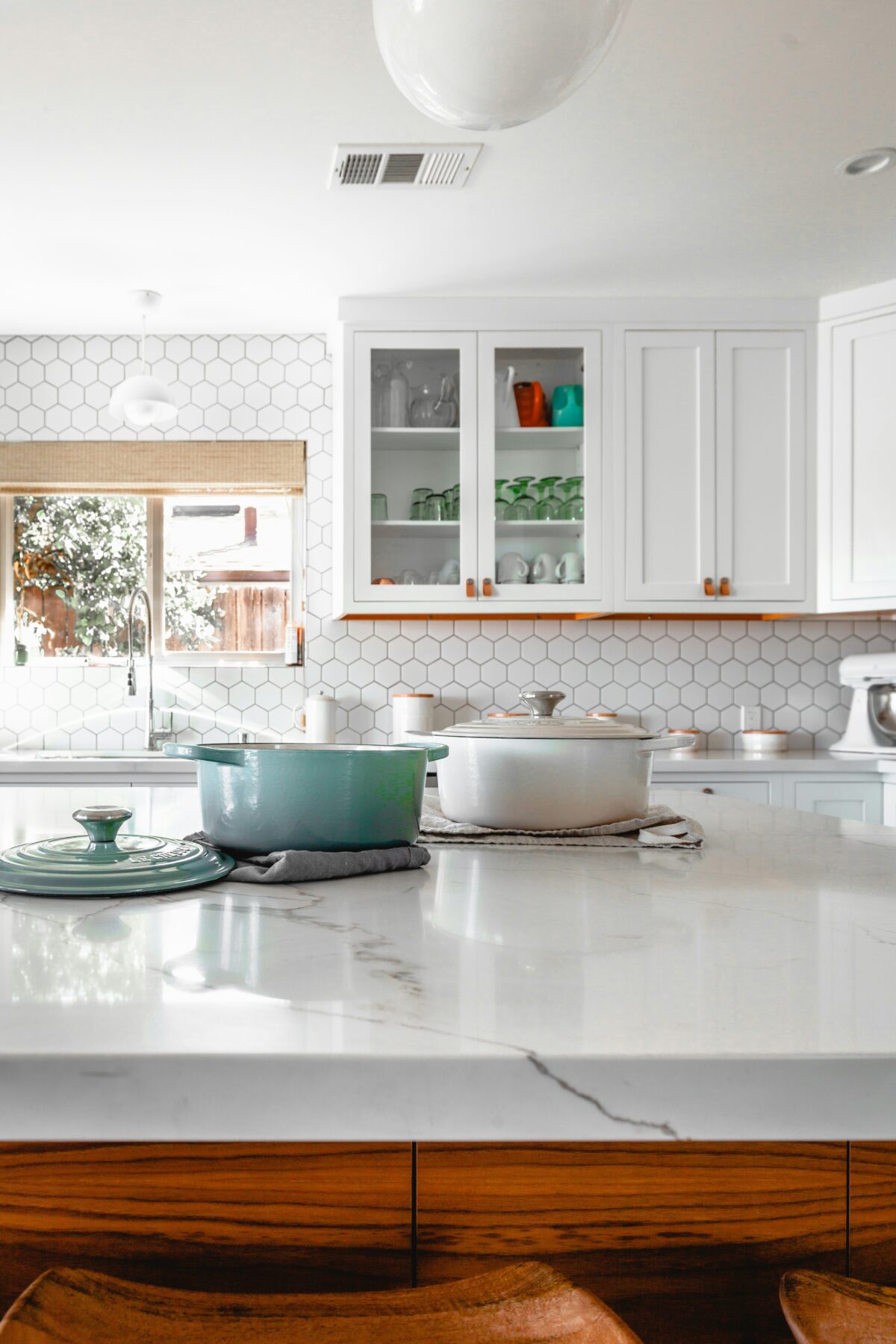
Marble is the Audrey Hepburn of countertops—classic, timeless, and (a little bit) high-maintenance. With its soft veining and luxurious look, marble can make your kitchen feel like it belongs in a magazine spread. But let’s be honest: marble isn’t for everyone. It’s prone to stains and scratches, which means it’s better for homes where countertops are more decorative than utilitarian.

  • Cost: $40–$100 per square foot
  • Pros: Stunning, timeless, and unique (no two slabs are alike).
  • Cons: Requires sealing, stains easily, and scratches if you so much as look at it wrong.

2. Granite: The Durable Classic

Granite is the dependable workhorse of countertops—strong, resilient, and effortlessly stylish. For Michigan kitchens that see a lot of action, granite is a great choice. It resists scratches, stands up to heat, and comes in a variety of colors and patterns to match any style.

  • Cost: $35–$75 per square foot
  • Pros: Durable, heat-resistant, and low-maintenance (as long as you seal it).
  • Cons: Heavy and needs proper support; some patterns may feel a little dated.

3. Wood: The Warm Companion

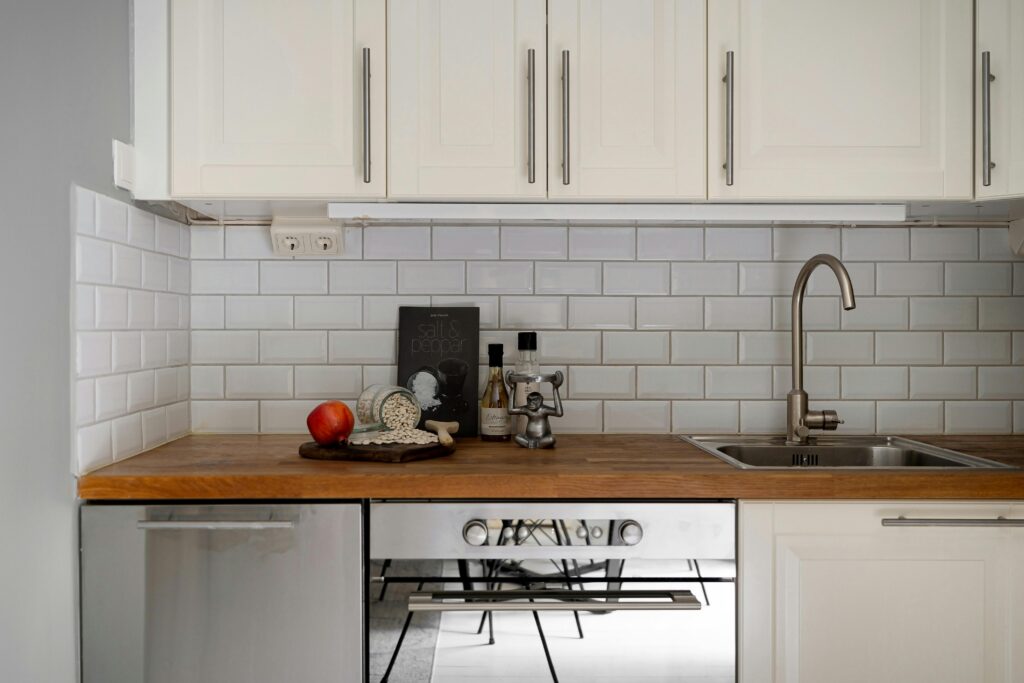
There’s something inherently cozy about wood countertops, like a cup of hot cider on a snowy Michigan evening. Butcher block tops add warmth and charm, and they’re great for food prep—just don’t forget to oil them regularly, or they’ll dry out faster than your hands in January.

  • Cost: $40–$60 per square foot
  • Pros: Warm, beautiful, and great for chopping.
  • Cons: Requires regular maintenance and is prone to nicks and stains.

4. Quartz: The Stylish Workhorse

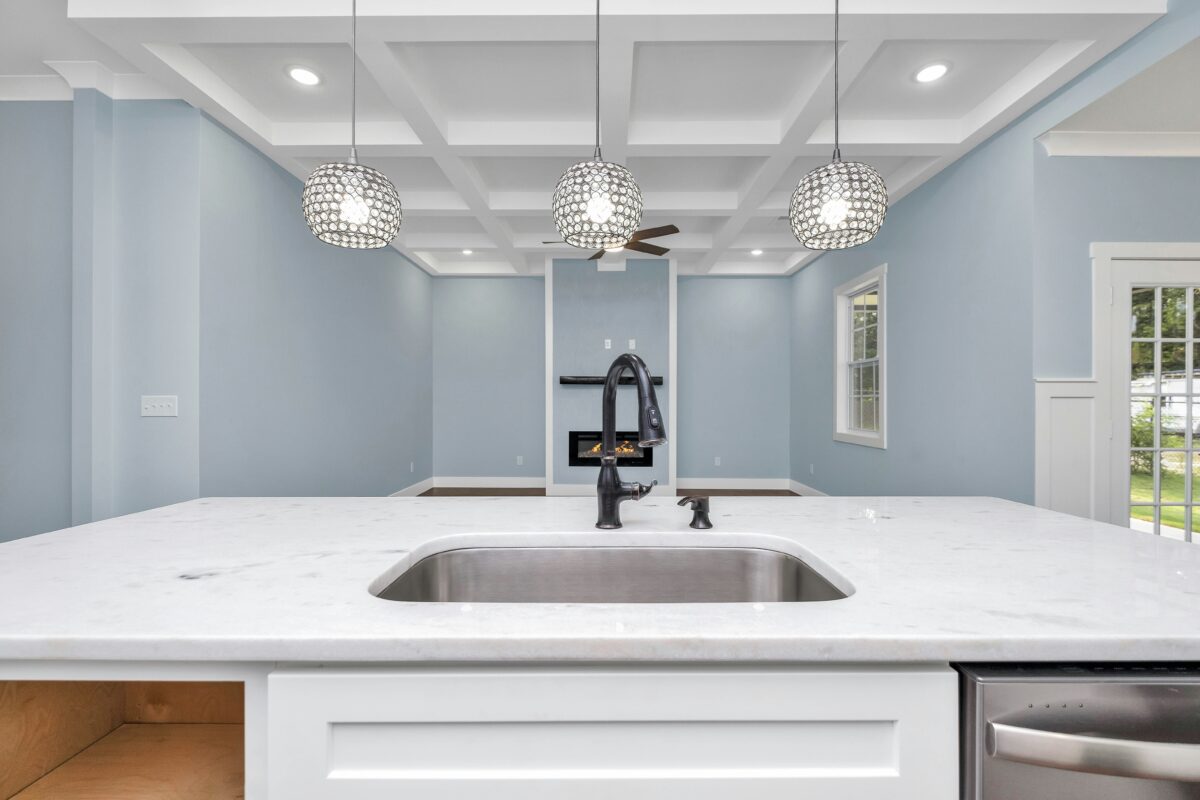
If countertops could be overachievers, quartz countertops would win the prize. Engineered for durability and designed to mimic natural stone, quartz is perfect for Michigan homeowners who want something that looks high-end but doesn’t come with all the fuss.

  • Cost: $50–$150 per square foot
  • Pros: Non-porous, low-maintenance, and available in endless colors and patterns.
  • Cons: Pricey, and it’s not as heat-resistant as you’d think.

5. Laminate: The Budget-Friendly Hero

Laminate countertops might not make your heart race, but they’ve come a long way since the days of avocado-green kitchens. Affordable and versatile, laminate is a great choice for homeowners looking to refresh their space without spending a fortune.

  • Cost: $10–$40 per square foot
  • Pros: Affordable, lightweight, and available in a variety of styles.
  • Cons: Prone to scratches and heat damage, with a shorter lifespan than other materials.

6. Stainless Steel: The Cool Minimalist

Stainless steel countertops make your kitchen feel like a professional chef’s domain, even if the most complex thing you’ve cooked recently is boxed mac and cheese. Sleek and modern, stainless steel is durable, heat-resistant, and surprisingly easy to clean.

  • Cost: $80–$150 per square foot
  • Pros: Hygienic, durable, and perfect for industrial-style kitchens.
  • Cons: Scratches easily and shows fingerprints like nobody’s business.

7. Solid Surface: The Quiet Achiever

Solid surface countertops, like Corian, are the unsung heroes of kitchen design. They’re durable, seamless, and come in a rainbow of colors. Plus, if you scratch them, you can buff them back to perfection.

  • Cost: $40–$80 per square foot
  • Pros: Seamless, easy to clean, and repairable.
  • Cons: Can be damaged by heat and isn’t as trendy as other options.

Choosing the Right Countertop for Your Michigan Home

So, what’s the right choice? That depends on what you need. If you’re all about luxury, go for marble or quartz. If practicality is your thing, granite or solid surface might be better. Love a bit of warmth? Wood or laminate could be perfect. The key is to think about how you use your kitchen—and how much maintenance you’re willing to deal with.

Tips for Choosing the Right Countertop

-Think about your kitchen’s daily use: Heavy-duty cooking? Opt for granite or quartz.
-Match maintenance needs with your lifestyle: Low-maintenance options like quartz or laminate are great for busy households.
-Factor in your budget: Balance upfront costs with long-term durability and style.

Key Takeaways

  • Marble: Requires sealing and regular maintenance to avoid stains and scratches. Cost: $40–$100/sq. ft.
  • Granite: Durable and heat-resistant, ideal for busy kitchens. Cost: $35–$75/sq. ft.
  • Wood: Requires regular oiling to prevent drying and cracking, perfect for a cozy aesthetic. Cost: $40–$60/sq. ft.
  • Quartz: Not as heat-resistant as other options, bit is durable and low maintenance. Cost: $50–$150/sq. ft.
  • Laminate: Lightweight and versatile, but it may not last as long as other materials. Cost: $10–$40/sq. ft.
  • Stainless Steel: Shows fingerprints and scratches but is easy to clean. Cost: $80–$150/sq. ft.
  • Solid Surface: Offers a balance of durability and design, but can be heat-sensitive. Cost: $40–$80/sq. ft.

Your countertops are more than just a place to chop veggies—they’re the foundation of your kitchen. Choose wisely, treat them well, and they’ll be there for every family dinner, holiday party, and late-night snack. And if you’re still unsure, give us a call. We’d love to help you find the perfect fit for your Michigan home.
The Perfect Backsplash for Your Michigan Kitchen: Design Ideas to Inspire

The kitchen backsplash: It’s more than just a line of defense against spaghetti sauce and coffee splatters. It’s the personality of your kitchen—the part that says, “This space is mine.” In Michigan, where homes are as diverse as the seasons, the right backsplash doesn’t just complete your kitchen. It transforms it.

With a backdrop of icy winters and balmy summers, kitchens deserve backsplashes that are as functional as they are beautiful. Whether you’re renovating your urban loft in Grand Rapids or your family home in Holland, here’s how to choose a backsplash that fits your style.

Backsplash Ideas to Consider

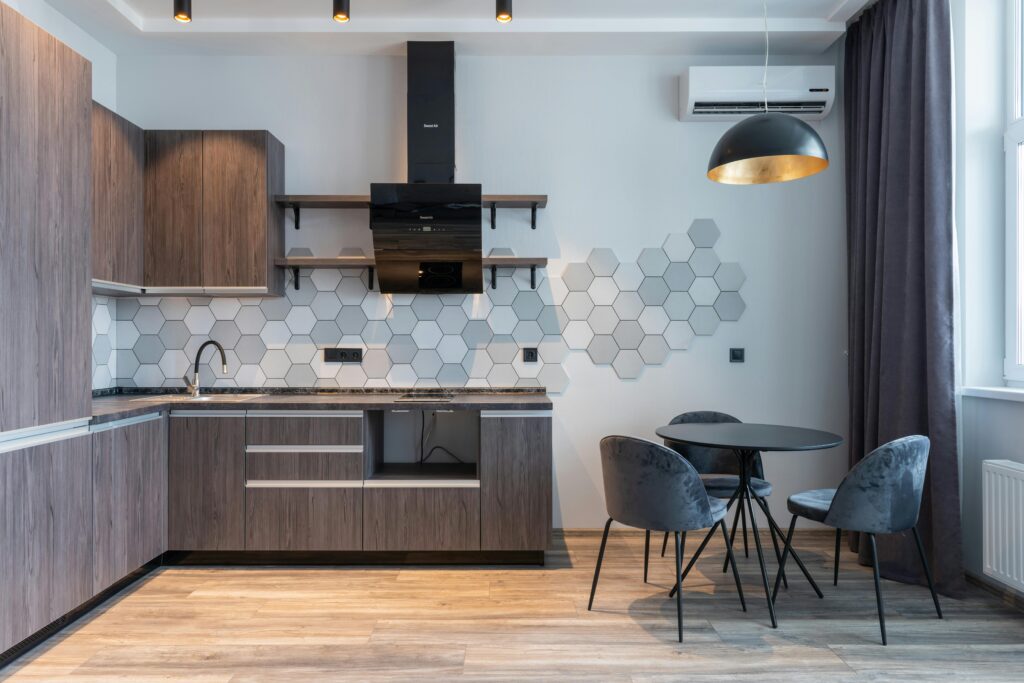
Geometric Tiles: Bold and Modern

Geometric tiles don’t ask for attention—they demand it. Their clean, angular patterns bring a contemporary edge to any kitchen, making them a perfect match for sleek downtown apartments or modern condos. Think hexagons, diamonds, and chevrons that create a look that’s sharp, stylish, and undeniably modern.

But these tiles aren’t just for show. Their symmetrical designs hide wear and tear better than you’d expect. The only catch? They need precision during installation. Done right, they’ll make your kitchen feel like it belongs in a design magazine.

Subway Tiles: Timeless and Reliable

If Michigan kitchens were people, subway tiles would be the dependable friend everyone can count on. They’ve been around forever, and they’ll outlast the latest trends without breaking a sweat. Their rectangular shape and clean lines make them a fit for virtually any home—from cozy farmhouses in Traverse City to sprawling suburban kitchens in Kalamazoo.

For a fresh twist, choose colored grout to add contrast or go with a glossy finish to reflect more light during darker winter months. Subway tiles are proof that simple doesn’t have to mean boring.

Herringbone Patterns: A Dynamic Touch

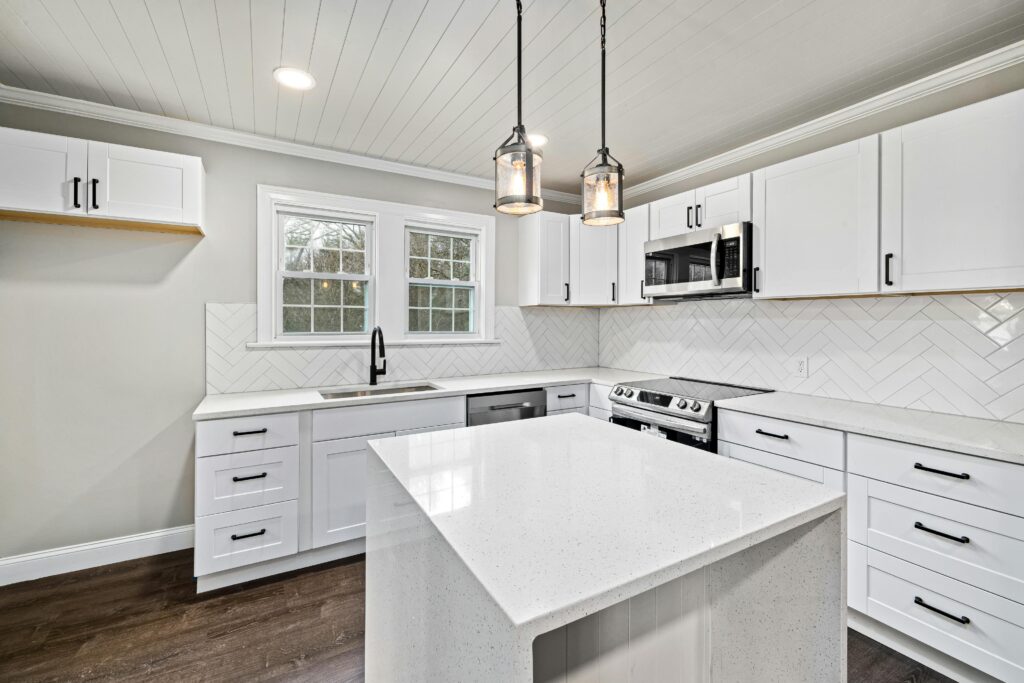
Herringbone is for the dreamers who want to turn heads but don’t want to stray too far from classic elegance. The zigzag pattern creates movement and intrigue, ideal for transitional kitchens that blend old-world charm with modern flair. Picture this in a Victorian home: rich wood floors, sleek quartz countertops, and a herringbone backsplash tying it all together.

The challenge? Herringbone installation takes time and skill, but the result is worth it—a backsplash that feels as lively as a summer day on Lake Michigan.

Marble: Luxury Meets Functionality

Marble backsplashes embody timeless sophistication. With their smooth veins and one-of-a-kind patterns, they bring a luxurious touch to kitchens in upscale neighborhoods. Whether you’re creating a chef’s kitchen or adding a splash of glamour, marble makes a statement.

But like any star, marble has its demands. It’s prone to stains, so sealing is a must. Handle it with care, and it’ll reward you with timeless beauty.

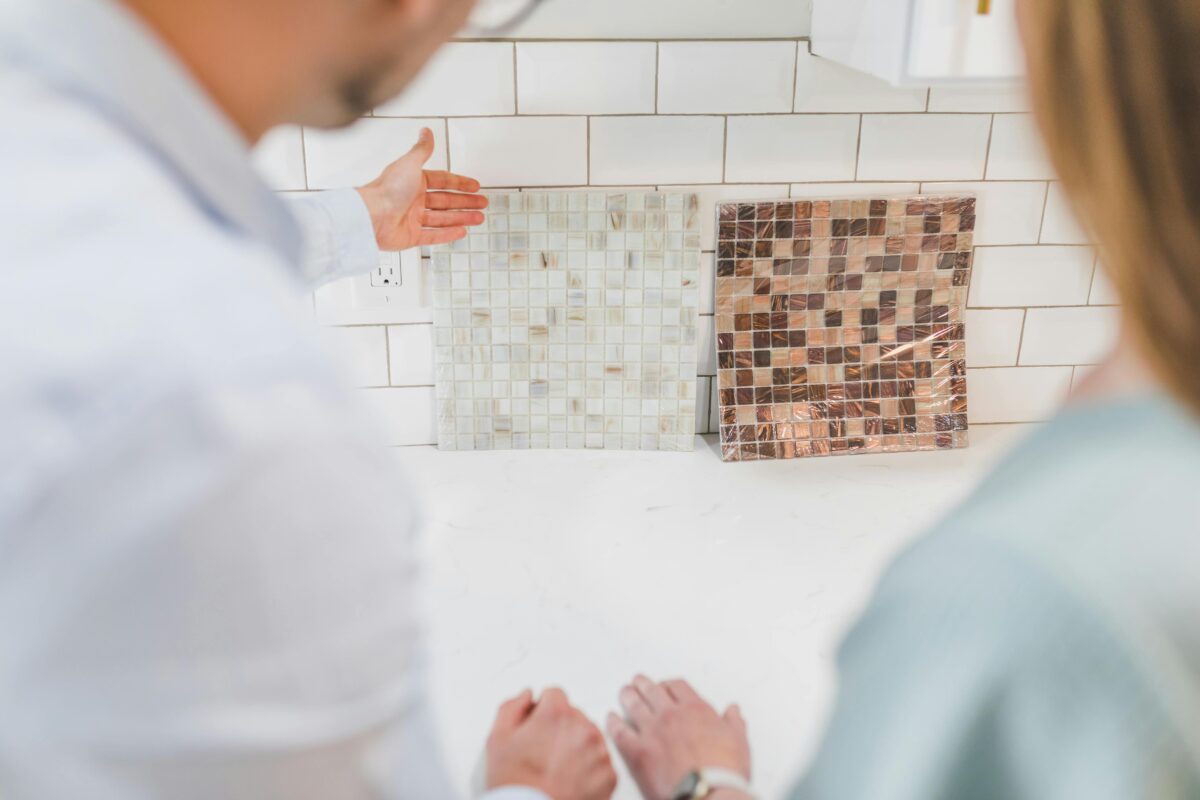
Mosaic Tiles: Creative and Unique

A mosaic backsplash is a playground for creativity. Made up of tiny tiles in a rainbow of colors, it’s like painting your walls with personality. This style thrives in kitchens with neutral cabinetry, where it can take center stage. In eclectic homes near downtown Detroit or family kitchens filled with color and life, mosaics fit like a glove.

However, mosaics are all about balance. Too much can feel overwhelming, so use them as an accent wall or border to add just the right amount of drama.

Rustic Brick: Cozy and Enduring

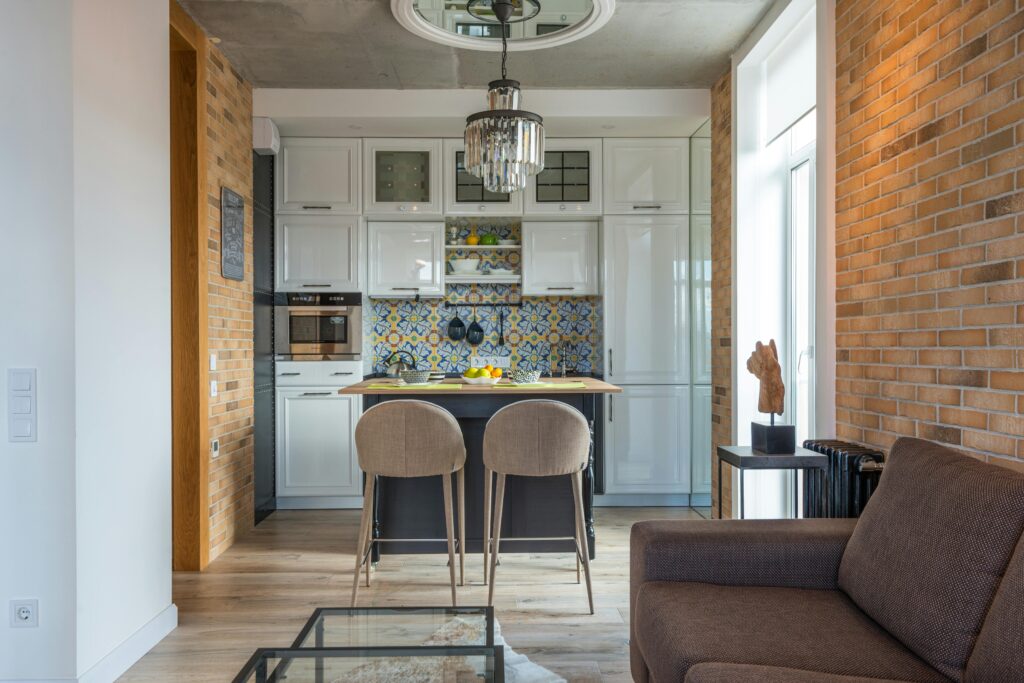
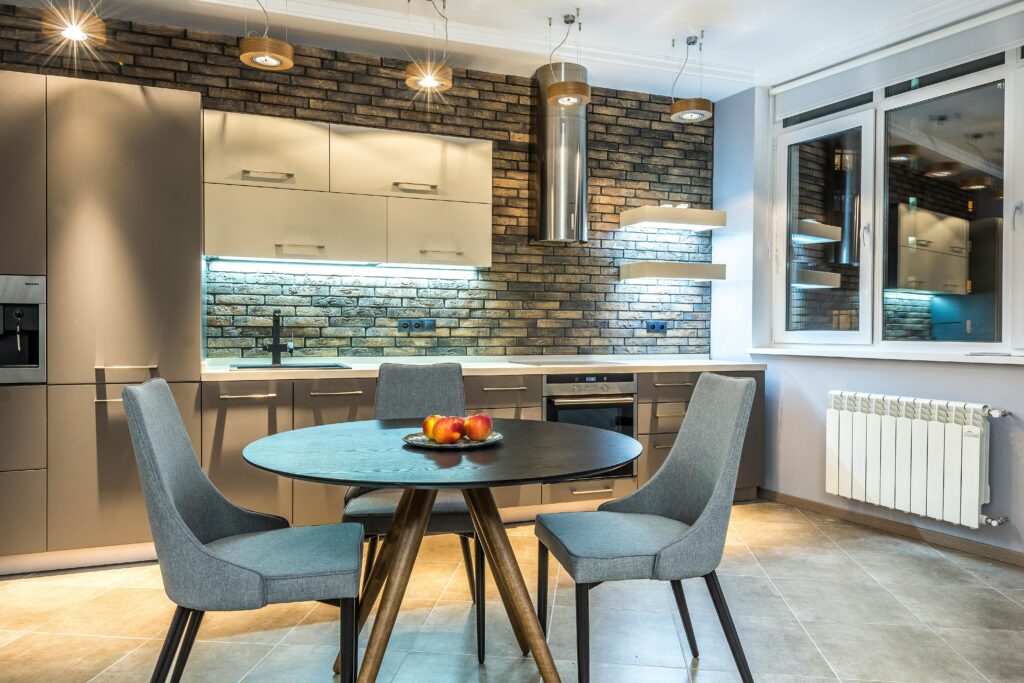
Brick backsplashes feel like a warm hug. Their textured surface and earthy tones bring a sense of comfort and durability to kitchens in Michigan’s historic homes or rustic lake cottages. Pair them with open shelving and cast-iron fixtures for a look that feels straight out of a cozy Up North retreat.

While brick isn’t as smooth to clean as tile, its charm more than makes up for the effort. After all, what’s a little extra scrubbing for a backsplash that feels like home?

Choosing the Right Backsplash for Michigan Kitchens

Whether you prefer the bold lines of geometric tiles, the timeless appeal of subway tiles, or the rustic charm of brick, your backsplash sets the tone for your entire kitchen.

But choosing the right design is more than just picking what looks good. It’s about understanding your kitchen’s needs, balancing practicality with beauty, and finding a style that fits your life. Consult a kitchen designer to explore the possibilities and ensure your backsplash isn’t just an afterthought—it’s the star of your West Michigan renovation.

Engineered Quartz Countertops: The Durable, Stylish Choice for West Michigan Homes

When choosing a countertop for your kitchen or bathroom, engineered quartz has become a top contender for West Michigan homeowners. Known for its durability, elegance, and minimal maintenance, quartz combines the best of both style and performance.

To gain deeper insights into the benefits of engineered quartz and the latest countertop trends, we spoke with Peter Kuipers, a sales expert from Lakeside Surfaces Inc., Michigan’s premier countertop fabricator and installer. With over 200 countertop options, Lakeside Surfaces is recognized for its high-quality craftsmanship and outstanding customer service. Peter shared his thoughts on why engineered quartz has gained popularity and the rise of large kitchen islands.

Now Trending: Larger Kitchen Islands

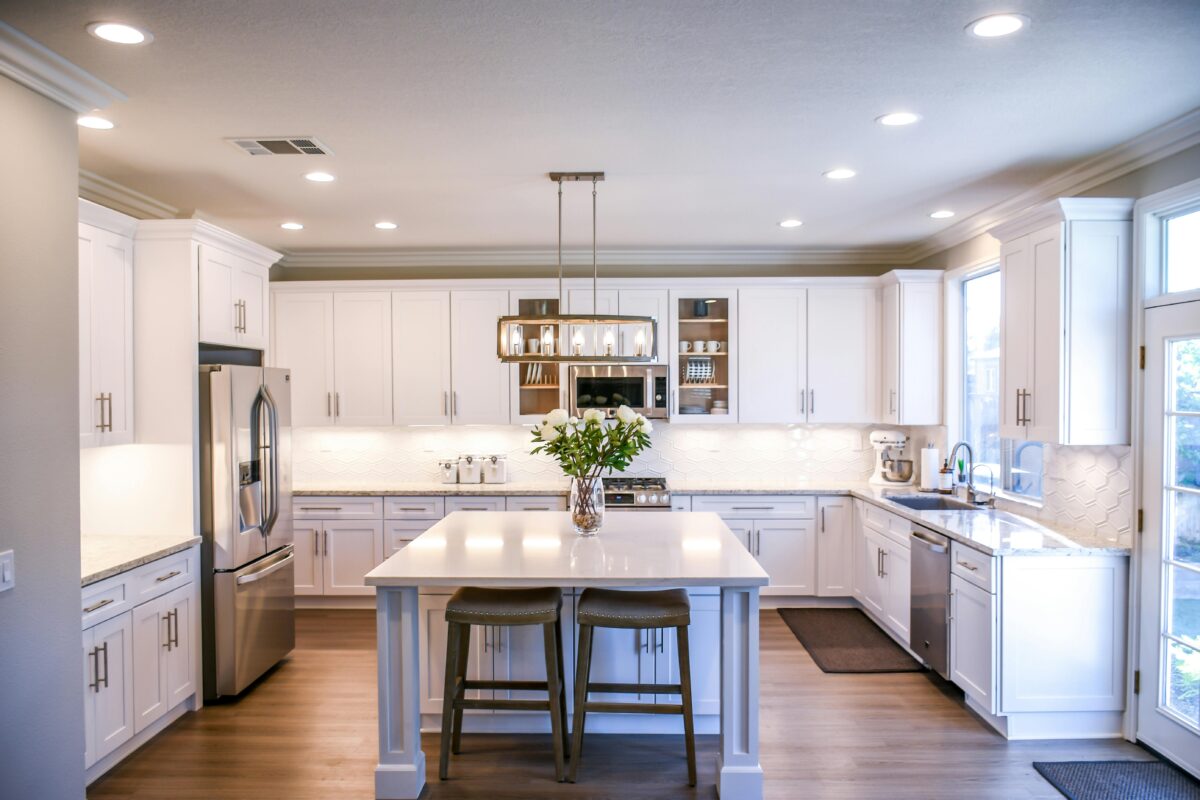
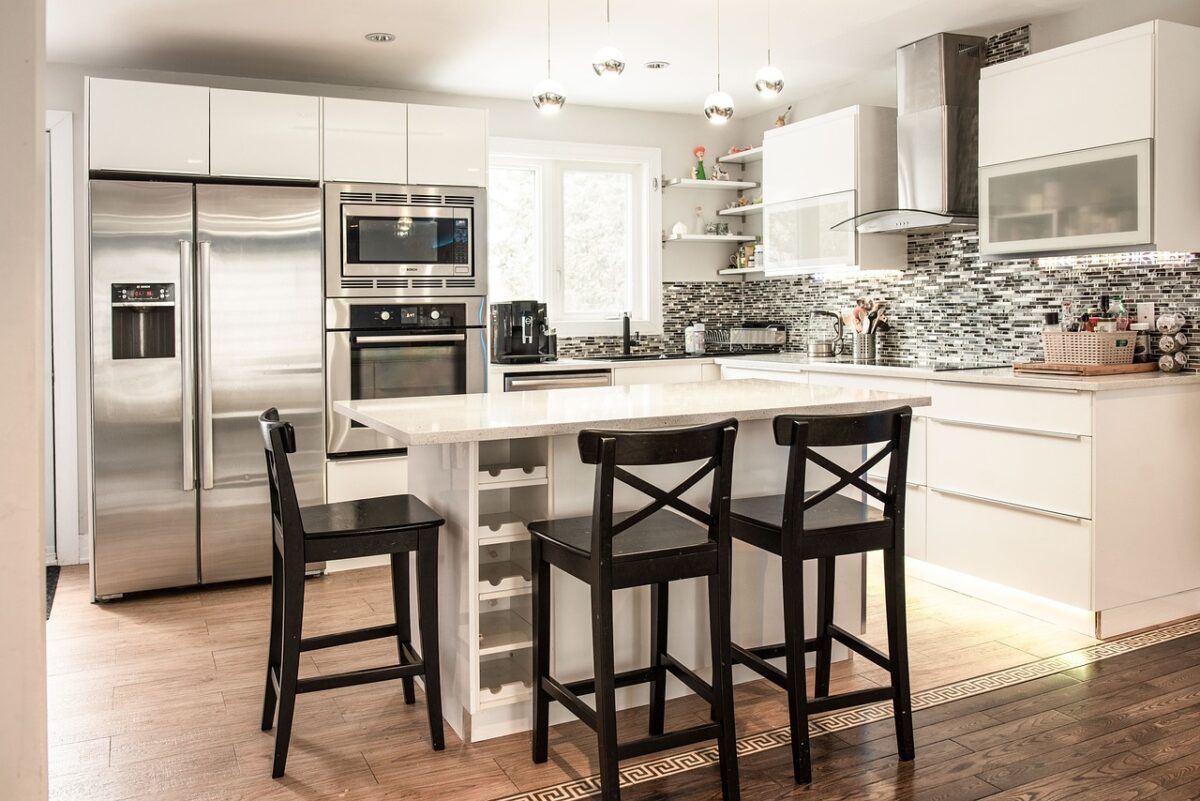
One feature that has captured the attention of many homeowners is the installation of larger kitchen islands. According to Peter, big islands are becoming the heart of the modern kitchen, offering abundant space for meal prep, casual dining, and entertaining guests. “Larger islands create a welcoming environment that brings people together,” Peter explains, highlighting how they enhance both functionality and aesthetics.

However, the trend toward larger islands does come with unique challenges. Peter points out that oversized islands often require substantial countertop slabs, which can be difficult to install in smaller homes due to entryway limitations or staircase access. Additionally, some customers find that while they love the look of a large island, they don’t want to completely alter the kitchen layout. “Many customers want a spacious feel without tearing out the existing footprint,” Peter adds. Smaller islands can offer a balance between functionality and flow, allowing homeowners to enjoy a more open and comfortable kitchen environment without oversizing.

The Advantages of Engineered Quartz

Engineered quartz has rapidly become the go-to material for many homeowners due to its beauty and resilience. Unlike natural stone, quartz is man-made, yet it retains a luxurious, high-end appearance that can enhance any kitchen design. “Quartz tends to perform better than just about anything else,” says Peter, noting that it’s incredibly resistant to stains, scratches, and heat. This makes it ideal for high-traffic areas like kitchen countertops, where durability is a must.

Quartz’s versatility isn’t limited to kitchens; it’s also an excellent choice for bathrooms and fireplaces, providing a unified look across different areas of the home. “If you’re looking for something that’s beautiful and also performs well, engineered quartz is a smart choice,” Peter advises. In addition to its durability, quartz requires minimal upkeep, making it a cost-effective option for homeowners seeking both style and functionality.

Choosing the Right Stone for Your Home

In addition to quartz, there’s a wide range of countertop materials that bring unique qualities to the table. Whether you’re drawn to the natural beauty of marble, granite, or onyx or prefer the timeless appeal of soapstone, each stone has its own set of advantages:

  • Quartz offers a clean, versatile look that fits seamlessly with both modern and traditional designs.
  • Marble stands out with its luminous, elegant surface, often chosen for statement countertops.
  • Granite is prized for its durability, ideal for high-traffic areas that require longevity.
  • Onyx provides a bold, luxurious appeal that makes it perfect for feature pieces.
  • Soapstone exudes a rustic charm, adding warmth to both modern and farmhouse-style kitchens.

“It’s hard to argue with the natural beauty of stone,” Peter notes, acknowledging that personal taste ultimately plays a key role in selecting the perfect material. With so many options available, homeowners can confidently choose a countertop material that aligns with their style, functionality needs, and budget.

Making the Choice: Why Engineered Quartz Stands Out

Ultimately, engineered quartz is a powerful choice for West Michigan homeowners who want both durability and beauty in their kitchen or bathroom remodel. Its low-maintenance nature, combined with its resistance to common kitchen wear and tear, makes it a long-lasting investment. Whether you’re inspired by the idea of a large kitchen island or envision a smaller, cozy space, engineered quartz countertops offer the flexibility to complement any design vision.

Considering a kitchen upgrade or remodel? Engineered quartz countertops are the perfect blend of performance and elegance that your space deserves.

Don’t Ignore These 6 Signs: Your Kitchen Cabinets Are Begging for an Upgrade

Your kitchen is the heart of your home. It’s where meals are made, memories are shared, and guests often gather. But as the years go by, even the most cherished spaces can start to show signs of wear and tear—especially your kitchen cabinets.

Your cabinets take on the brunt of daily use and can quickly go from a stylish storage solution to an eyesore. This can also take a hit on the value of a West Michigan Home. If you’re wondering whether it’s time to upgrade your kitchen cabinet setup, look no further! Here are six telltale signs your cabinets are begging for an upgrade.

Kitchen Cabinet Signs To Look For

1. Visible Wear and Tear

Kitchen cabinets are designed to be durable, but over time, even the best materials can start to show their age. Common signs of wear include peeling paint, chipped wood, or sagging shelves. These imperfections don’t just affect the aesthetics of your kitchen—they can also lower your home’s value.

In West Michigan, for instance, fluctuating humidity levels can wreak havoc on cabinetry materials. The expansion and contraction caused by changes in moisture levels can speed up the aging process, leading to warping or cracking. If your kitchen cabinets have seen better days, an upgrade can restore the beauty and durability of your space. Whether you’re dealing with surface damage or structural issues, investing in new cabinets can breathe new life into your kitchen and enhance its overall appeal.

2. Malfunctioning Doors and Drawers

Do you find yourself cringing every time you open a cabinet door or drawer? If it squeaks, groans, or sticks, it’s more than just an annoyance—it’s a sign your cabinets are past their prime. Malfunctioning doors and drawers not only make daily tasks more frustrating but can also signal deeper structural problems that could worsen over time.

Imagine opening a drawer only for it to fall off its track, or struggling with a door that refuses to close properly. Upgrading your kitchen cabinet system can fix these issues and bring in modern conveniences like soft-close drawers, easy-glide tracks, and sturdier hardware. Say goodbye to stuck drawers and squeaky doors by upgrading your kitchen cabinet system for a smoother, more functional experience.

3. You’re Embarrassed by Your Kitchen

Your kitchen should be a space you’re proud of, but if you find yourself avoiding hosting dinner parties or even cooking in your own home because of outdated or damaged cabinets, it’s a clear sign that an upgrade is overdue. When guests come over, do you secretly hope they won’t wander into the kitchen? If so, it’s time to give your cabinets a fresh start.

Upgrading your cabinets can instantly transform the look and feel of your kitchen, making it the heart of your home again. Whether you’re considering custom designs that reflect your personal style or just looking for higher-quality materials, investing in new cabinetry will not only boost your confidence but also enhance your kitchen’s welcoming atmosphere.

4. The Cabinets Have Outlived Their Functionality

Kitchen cabinets from a few decades ago weren’t designed to accommodate today’s lifestyle. With the evolution of kitchen appliances and storage needs, older cabinets often struggle to keep up. If your countertops are crowded with pots, pans, and appliances because your cabinets no longer offer sufficient storage, it’s time for a change.

Modern cabinets come with smart storage solutions, including pull-out shelves, deep drawers for pots and pans, and specialized compartments for small appliances. An upgrade can help maximize your kitchen’s functionality and eliminate the clutter that makes cooking less enjoyable. Imagine a kitchen where everything has its place—that’s the benefit of upgrading your kitchen cabinet system.

5. They’re Stuck in the “Builder-Grade” Era

If your home came with builder-grade cabinets, you might have noticed they lack character and personalization. While functional, these generic cabinets can make your kitchen feel dated and uninspired. Builder-grade materials also tend to wear out faster, making an upgrade not just a style choice but a practical necessity.

Investing in high-quality, custom cabinets can completely change the look of your kitchen, giving it a polished, personalized feel. From unique finishes to custom hardware, upgrading your kitchen cabinets allows you to express your personal style while adding value to your home. Say goodbye to the cookie-cutter look and hello to a kitchen that’s truly yours.

6. You’ve Tried Every DIY Hack, But They Still Don’t Look Right

Have you tried every DIY hack in the book, but your cabinets still don’t give off the fresh, new look you were hoping for? While a fresh coat of paint or new hardware can work wonders, sometimes no amount of DIY can mask deeper issues like poor construction, outdated materials, or structural damage.

If you’ve exhausted your DIY options and your cabinets still aren’t up to your standards, it may be time to call in the professionals. Whether it’s a full replacement or cabinet refacing, upgrading your kitchen cabinet system ensures long-lasting quality and a design you’ll love for years to come.

Upgrading Your Kitchen Cabinets Matters

Your kitchen cabinets aren’t just functional—they’re a defining feature of your home. When they start to show signs of wear or no longer meet your storage needs, it can have a big impact on the look, feel, and value of your kitchen. An upgrade can not only restore your kitchen’s beauty but also improve its functionality and increase your home’s resale value.

If you’re noticing any of these signs in your kitchen, it’s time to consider upgrading your kitchen cabinet system. Consult with West Michigan kitchen remodel experts to explore the best solutions for your space. From modernizing your storage to choosing a design that reflects your style, upgrading your cabinets is an investment in both the present and future value of your home.

Don’t let worn-out cabinets hold you back—an upgrade can transform your kitchen into the space you’ve always dreamed of.

The True Cost of a Home Renovation

When it comes to home renovation, cutting costs can often come back to haunt homeowners. With DIY culture and the temptation to hire the cheapest contractor on the rise, Brent Kuczynski, owner of BK Construction, warns homeowners to be cautious. “You can go cheap, but you’re going to regret it,” he says. As the leader of a growing construction company, Brent has seen firsthand how cutting corners can lead to bigger problems down the road.

In a candid conversation with Reno ROI, Brent shared his insights on why homeowners need to invest wisely in renovations, emphasizing the long-term value of quality work and materials.

The Cost of Cutting Corners

For many homeowners, the temptation to save money by hiring lower-cost contractors or managing their own renovation projects can be hard to resist. However, Brent explains that while this approach might seem like a good idea upfront, it often leads to more headaches—and expenses—down the line.

“Homeowners often underestimate what’s involved in these projects. They want to save money, but they don’t realize the complexity,” Brent explains. He’s encountered clients who tried to manage their own renovations by hiring cheaper labor, only to face issues with inconsistent work, delays, and unexpected complications.

“A lot of people try to GC (general contract) the job themselves, hiring a bunch of different subs and hoping it all comes together. The reality is, they’re taking on a lot more risk and hassle than they realize,” Brent says. “When you hire a general contractor, you’re paying for peace of mind. You’re paying for someone to manage the process and make sure it’s done right.”

Quality Materials and Their Impact

Beyond managing labor, one of the biggest mistakes Brent sees homeowners make is skimping on materials. This is particularly common when renovating high-value areas like kitchens and bathrooms. Brent emphasizes that homeowners need to think about their home as an investment. “If you’ve got a $500,000 home, why would you put cheap materials in it? You have to invest in quality if you want to maintain or increase the value of your property.”

Brent explains that using inferior materials may seem like a cost-saving measure, but it often reduces the lifespan and appeal of the renovation. “People don’t realize that by going cheap, they’re sacrificing durability and long-term value,” he says. “If you’re going to do it, do it right the first time. It will pay off when it’s time to sell.”

Understanding the Value of Professional Help

One of the major challenges in the construction industry, according to Brent, is helping homeowners understand the value of hiring professionals. In an era where DIY projects are popular, many clients assume they can save money by taking on parts of the renovation themselves. However, Brent explains that professional help not only ensures a higher-quality result, but it also reduces the risk of costly mistakes.

“I tell them upfront—I’m not going to be your cheapest quote, but I’ll be the one who gets the job done right.”

“Sure, you can hire someone off of Facebook or find a cheaper contractor, but if they don’t know what they’re doing or they don’t have the right experience, you’ll end up paying for it later,” he says. Brent often finds himself educating clients on the hidden costs of DIY or budget renovations. “I tell them upfront—I’m not going to be your cheapest quote, but I’ll be the one who gets the job done right.”

Why Renovations Are Booming in Today’s Market

A lot of people are sitting on great mortgage rates from a few years ago. Instead of moving and paying double the interest, they’re putting money into modernizing their current home,

Brent has noticed a significant shift in the housing market over the past few years. With rising interest rates and fewer homes available, more homeowners are choosing to renovate rather than move. “A lot of people are sitting on great mortgage rates from a few years ago. Instead of moving and paying double the interest, they’re putting money into modernizing their current home,” Brent says.

Home values have doubled in the last five years, so people are willing to invest more in remodeling. It’s a practical solution for those who want to stay put but improve their living space.

This trend is especially noticeable in areas like West Michigan, where Brent operates. He explains that many of his clients have homes with significant equity, making renovation a smart financial decision. “Home values have doubled in the last five years, so people are willing to invest more in remodeling. It’s a practical solution for those who want to stay put but improve their living space.”

Kitchens and Bathrooms: The Most Popular Projects

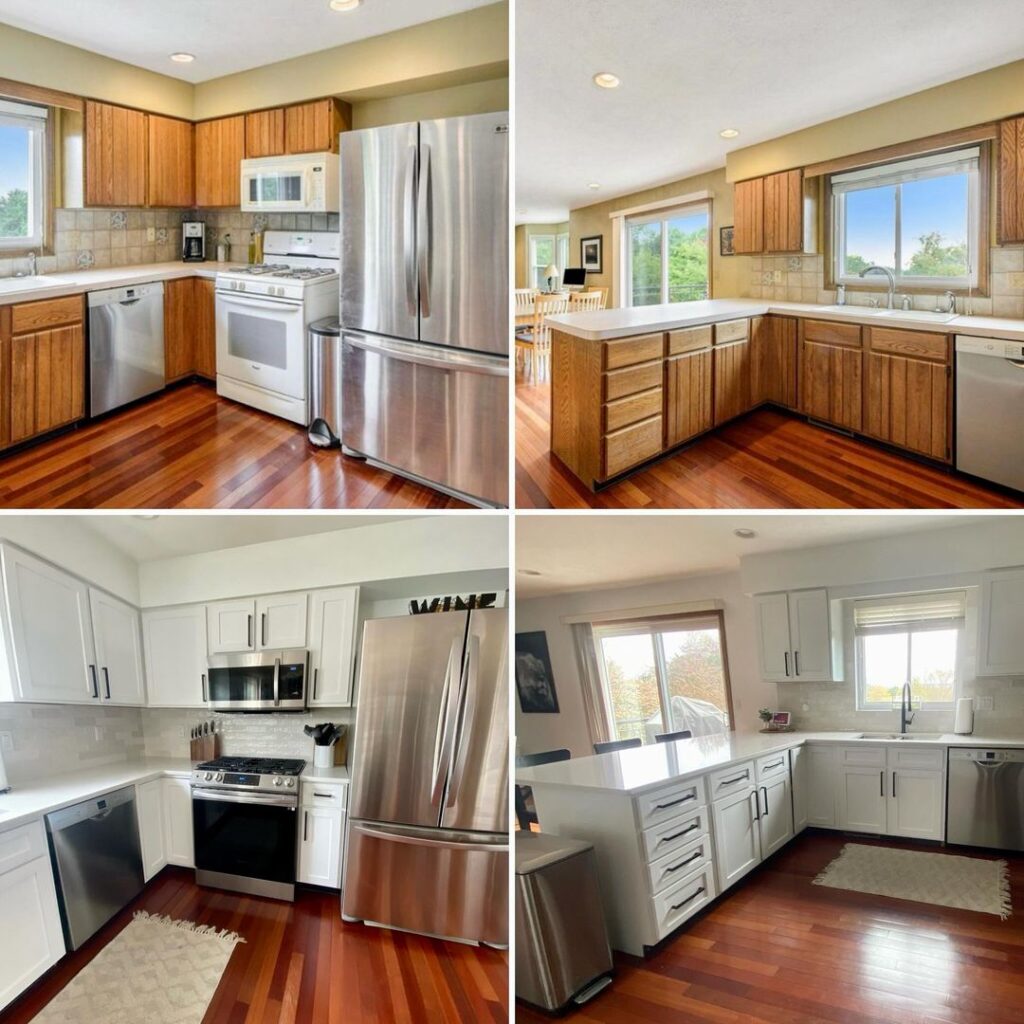
When it comes to renovations, kitchens and bathrooms remain at the top of the list for most homeowners. According to Brent, these areas are where people spend the most time, and they have the highest impact on a home’s resale value. “The kitchen is the heart of the home,” Brent says. “If you’re going to renovate one area, make it the kitchen. That’s where you’ll see the biggest return.”

Open-concept kitchens, modern designs, and high-quality materials are the most requested upgrades, Brent notes. “Everyone wants to open up their space and create something more modern and functional. It’s about making the home feel more personal and tailored to the way they live.”

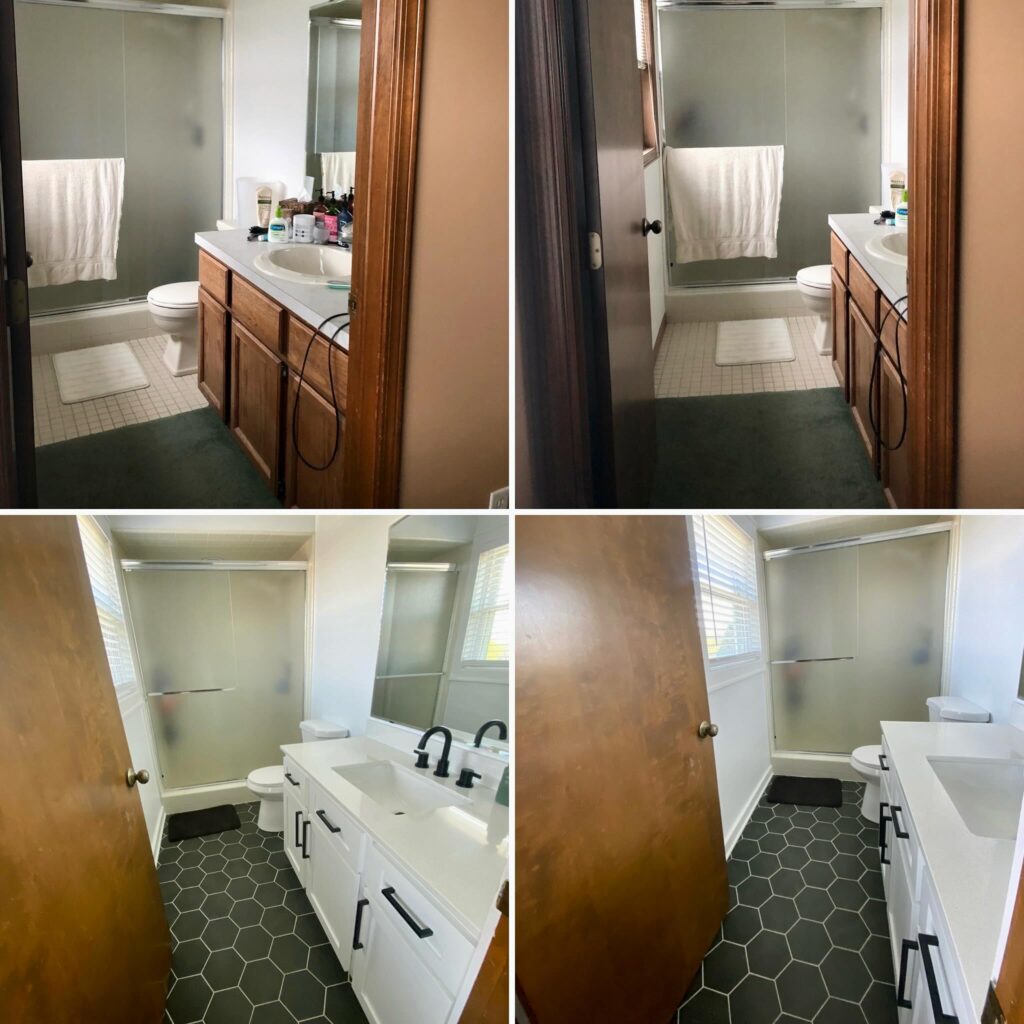
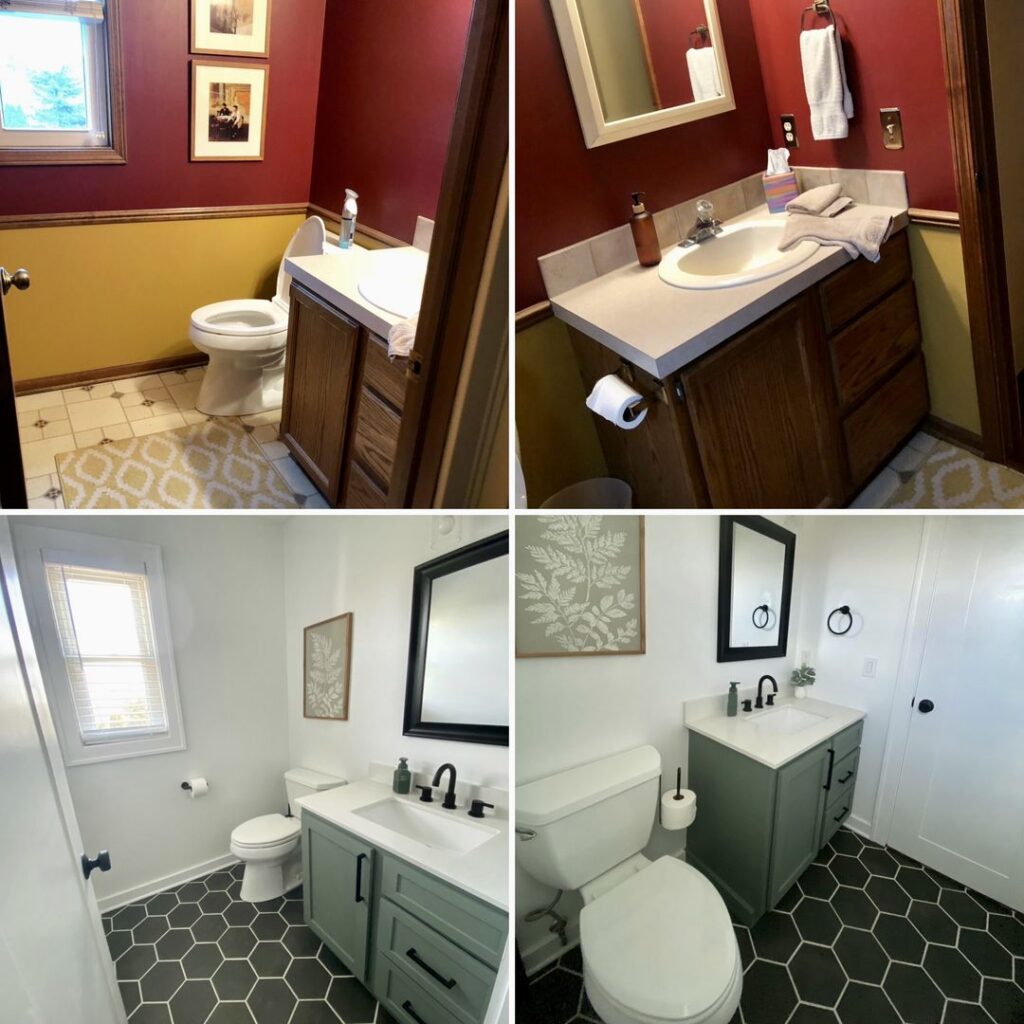
The same goes for bathrooms, where clients frequently ask for updated fixtures, tile showers, and new vanities. “People want modern bathrooms that feel like a retreat. It’s about making the space more luxurious,” Brent explains.

Making Smart Investments in Your Home

Brent’s message to homeowners is clear: renovations are an investment, and you get what you pay for. Cutting costs might save you money in the short term, but it often results in bigger expenses down the road. “At the end of the day, it’s about quality,” Brent says. “If you’re willing to invest in your home and use the right materials, you’re going to get a much better return on your investment.”

His advice to anyone considering a renovation is to do their research, hire the right professionals, and be prepared to spend a little more for the best results. “Good work isn’t cheap, and cheap work isn’t good,” Brent adds. “If you want a quality renovation, you need to invest in quality work and materials.”

Conclusion

For homeowners looking to renovate, Brent Kuczynski’s insights are invaluable. As the owner of BK Construction, he’s seen firsthand the difference that quality work and materials make in the long-term value of a home. His advice? Don’t cut corners. Invest in your home wisely, and you’ll see the returns—not only in resale value but in the satisfaction of living in a home that’s built to last.

Photos courtesy of BK Construction

The Smart Approach to Home Renovations: Fixing, Updating, and Timing

As homeowners and real estate investors seek to maximize the return on their renovation investments, one expert’s advice cuts through the noise: start by fixing what’s broken. We spoke with Mark Krier, owner of 616 Homes and an experienced real estate investor in Grand Rapids, MI, to get his insights on how to approach home renovations for the best return on investment (ROI).

With over eight years in the industry, Krier’s background in financial markets gives him a unique perspective. “I can’t help but look at everything from a financial standpoint,” he says. His approach to renovations follows a simple yet effective principle: fix what’s broken first, and don’t over-improve.

Fix What’s Broken First

Krier’s advice to homeowners is straightforward: before considering any major upgrades, make sure everything is functioning properly. “The biggest detractor of value in a home is when things aren’t working,” Krier explains. Whether it’s a broken faucet, outdated electrical work, or mold in a bedroom, these issues can turn buyers away immediately.

“Even if it’s not in an important room, like a laundry room, if something’s broken, that’s the first thing you should fix,” he says. Krier also extends this advice to anything in a home that feels outdated or worn out, referring to it as “figuratively broken.” For example, he suggests that a carpet from the 1970s, though not literally broken, may still need replacing as it would be an eyesore for most buyers.

The Dangers of Over-Improving

While many homeowners believe that high-end upgrades, particularly in the kitchen and bathroom, will yield the best ROI, Krier warns against over-improving. “Kitchens and bathrooms are huge drivers of value, but they need to be in line with the rest of the house,” he says. “If you’ve got an average-quality house overall, but you put in a really high-end kitchen, you’re probably not going to get your money back on that.”

The key, according to Krier, is to keep renovations balanced. If one room, like the kitchen, stands out too much in comparison to the rest of the home, it may actually detract from the home’s overall appeal. “It’s about bringing everything up to the same standard,” he advises. “If you have one room that feels way behind the others in terms of quality or condition, start with that room.”

Kitchens and Bathrooms: Great ROI, With a Catch

It’s no secret that kitchens and bathrooms are focal points for buyers, but Krier points out that there’s a fine line between renovating for value and overdoing it. “Conventional wisdom says kitchens and bathrooms are the biggest attractions for buyers, and that’s true,” Krier confirms. However, he reiterates the importance of context, explaining that these upgrades should align with the rest of the home’s quality.

“If the rest of the house isn’t on par with that fancy kitchen you just installed, it’s going to feel out of place,” Krier says. The result? You may not see the positive ROI you were hoping for.

Understanding What’s Outdated

A recurring theme in Krier’s renovation philosophy is the importance of understanding what’s considered outdated based on the price point of the home. Homes under $750,000, especially in areas like Grand Rapids, can often get away with being a bit older, provided everything is functional and clean. “A house from the ’90s at that price point might not feel out of date to buyers because they’re often first-time homebuyers looking for function more than design,” Krier explains.

However, once homes climb above $750,000, buyers start expecting a higher level of quality. “If you’re in the $750K-plus range, even homes from the early 2000s can feel dated,” Krier points out.

When it comes to high-end homes, small details, like outdated trim or bold design choices, can have a significant impact. “Things like orange-toned wood trim or bold design trends from 15-20 years ago can stick out and make a home feel dated quickly,” Krier says. “It’s best to keep designs neutral and timeless, which tend to age better.”

Bringing a Home Up to Standard

For homes that are structurally sound but feel outdated, Krier advises focusing on aesthetic upgrades, such as replacing old flooring or repainting. However, he cautions that these updates can be costly, and homeowners should be realistic about their expectations.

“Bringing a home up to standard can easily cost $200,000 to $300,000, depending on the size and scope of the renovations,” he explains. Yet, even with this investment, homeowners should not expect a dollar-for-dollar return. “You’re lucky if you get a one-to-one return on a full-scale aesthetic update,” Krier says. “Fixing what’s broken is usually a safer bet for seeing a positive return.”

The Safe Bet: Fix, Don’t Overhaul

When asked about the safest way to approach renovations from an investment perspective, Krier’s response is clear: stick to fixing what’s broken. “If you allocate $10,000 to fix things that are broken or outdated, you’re probably going to see at least a one-to-one return, if not more,” he says.

On the other hand, extensive renovations, such as fully remodeling a kitchen or bathroom when there’s nothing wrong with the existing one, may not yield the same results. “If it’s not broken and you’re just updating for aesthetics, you can’t be as confident that you’ll get your money back,” Krier explains.

Conclusion

For homeowners and investors looking to maximize their renovation ROI, Mark Krier’s advice is refreshingly simple: start with the essentials. Fix what’s broken, bring the home up to a consistent standard, and avoid the temptation to over-improve. By keeping these principles in mind, homeowners can ensure they’re making smart, financially sound decisions with their renovations.

Real Estate Myths Debunked: Where to Invest in Your Home Today

The real estate market in 2024 is a landscape of contrasts. With rising interest rates and fluctuating home prices, homeowners and investors alike are questioning where to invest their money for the best return. To shed light on these issues, we spoke with Matt Muscat, Marketing Director at Treadstone Mortgage, a leading mortgage broker based in Grand Rapids, MI. Muscat provided valuable insights into today’s challenging market and how strategic home renovations can increase ROI—if done wisely.

There’s a lot of bad financial advice out there about buying homes and investing in renovations. People think, ‘As long as I put money into my home, I’ll get it back,’ but that’s just not true.

When it comes to homeownership, common wisdom has often suggested that any money put into a home will result in profit down the road. Muscat is quick to dispel that myth.

“There’s a lot of bad financial advice out there about buying homes and investing in renovations,” Muscat explained. “People think, ‘As long as I put money into my home, I’ll get it back,’ but that’s just not true.”

This kind of advice can lead homeowners down a costly path, particularly in today’s market where not all improvements lead to higher home value. Instead, Muscat advocates for a more strategic approach, tailored to the market’s demands.

Where to Invest in Your Home

One of the most frequent questions homeowners face is where to invest in their property to maximize value. Muscat’s recommendation is clear: focus on the areas buyers care about the most—kitchens and bathrooms.

“If you’re going to put money into your house, kitchens and baths are where it’s at,” he said. However, he warns of potential pitfalls. “People often overspend on these renovations, thinking that they can’t go wrong, but the truth is you need to be mindful of the market you’re in. Over-improving your house can actually hurt your ROI.”

Muscat emphasized that renovations should be in line with what’s typical in the local market. In Grand Rapids, for example, homes priced 10% below the median are selling quickly, often sparking bidding wars, while high-end properties are stagnating. “The best houses are still seeing bidding wars, but many others are just sitting,” he noted.

A Tale of Two Markets

Muscat painted a picture of a real estate market that’s split in two. On one hand, affordable homes in good condition are flying off the market, often going for more than the asking price. On the other hand, properties priced above the median, particularly those requiring significant work, are languishing.

“Right now, the market is really tough for both buyers and sellers,” Muscat explained. “Sellers with homes that are priced fairly and don’t need major work are seeing fast sales. But for houses that are overpriced or need a lot of fixing up, it’s a waiting game.”

This trend is being driven by several factors, including higher interest rates and a shift in buyer preferences. “Many buyers, especially investors, aren’t biting on homes that need a lot of work, especially with today’s high material and labor costs,” he added.

The Rise of the Young Homebuyer

Surprisingly, one of the more dynamic forces in today’s real estate market is Gen Z, a demographic that Muscat says is making moves despite high home prices and interest rates.

“We’ve seen a lot of young buyers under the age of 25 coming into the market,” he said. “They don’t have the same hesitation as Millennials, who remember when rates were much lower. These Gen Z buyers are getting deals, sometimes $50,000 below asking, and they’re turning around and renting out rooms to their friends. They’re covering their mortgage while still building equity.”

This willingness to take risks and get creative with their investments is reshaping the market in unexpected ways. According to Muscat, this younger generation is picking up properties that older buyers are passing on, finding value in homes that may need a little extra work but offer significant long-term rewards.

Real Estate Financing: What Homeowners Need to Know

When it comes to financing home improvements, the current economic landscape presents new challenges. Many homeowners who secured low mortgage rates in the past are reluctant to refinance at today’s higher rates, even though they want to tap into their home’s equity.

Muscat advised, “If you’re sitting on a good rate, pulling out a home equity line of credit (HELOC) is often a better option than a full cash-out refinance.” He explained that while a HELOC may come with a higher interest rate, the flexibility it offers can make it a smart choice for those looking to finance home improvements or even fund additional real estate purchases.

For those considering refinancing, Muscat cautioned that the process is more expensive than it used to be. “Refinancing now could take you four or five years to recoup the costs, so you really need to think long-term before making that move.”

Looking Ahead: The Future of Home Renovations and Real Estate

As the real estate market continues to evolve, Muscat believes that homeowners who are smart about their renovations and financing will still see strong returns. However, he emphasized the importance of aligning home improvements with the realities of today’s market.

“In the end, it’s about knowing your market and making strategic decisions. The right renovations in the right price range can make all the difference, but you have to be savvy,” Muscat said.

Whether you’re a homeowner looking to upgrade your kitchen or an investor eyeing a rental property, Muscat’s advice is clear: do your homework, stay mindful of market trends, and invest where it counts.

Navigating the West Michigan Housing Market With Renovations: Insights from Kristen Doezema

We recently sat down with Kristen Doezema, a dedicated Realtor with deep roots in West Michigan, to explore the current housing market and gather her expert insights on renovations that can elevate property value.

“Buying our first home was such an enjoyable experience,” Kristen shares. “It inspired me to help others find their ideal homes too.” Now working at Patriot Realty, an independent firm in East Grand Rapids, she values the exceptional service and loyalty her team offers clients.

Understanding the West Michigan Real Estate Market

Kristen serves the greater Grand Rapids area, a market known for its diverse real estate options, including single-family homes, condos, and townhomes. The area has experienced significant growth in recent years, driven by a robust economy and a thriving cultural scene. This dynamic environment attracts a wide array of buyers—from young professionals to growing families and seasoned investors—while the relatively low cost of living adds to its appeal.

Adding Value To Your Home In West Michigan Through Renovations

When it comes to adding value to a home, Kristen emphasizes the importance of strategic renovations, particularly in the kitchen and bathroom.

Kitchen Renovations: The Heart of the Home

“Let’s talk about kitchens—my favorite room in the house,” Kristen says. On average, families spend around 267 hours per year in their kitchens, making it a central hub for daily life. According to Remodeling Magazine’s 2022 report, a well-executed kitchen renovation can increase a home’s value by approximately 50-70%.

Kristen advises homeowners to maintain the original style and character of their homes while incorporating modern functionality. “For instance, if you live in a Victorian home, choose materials and design elements that honor that era,” she explains. Avoid drastic changes that clash with historic features to ensure a harmonious renovation.

Bathroom Renovations: A Smart Investment

“Bathrooms are another critical area for renovations,” Kristen notes. Upgrading a bathroom not only enhances functionality and aesthetics but can also yield a return on investment (ROI) of 60-70%, according to the National Association of the Remodeling Industry. In a competitive market, a renovated bathroom can make a property stand out, helping it sell faster.

Kristen recommends selecting durable, high-quality materials, fixtures, and finishes that appeal to a broad range of buyers. “Think timeless elegance rather than trendy fads to ensure your upgrades remain appealing for years to come.”

Key Takeaways

As you consider renovating your kitchen or bathroom, remember that the choices you make can significantly impact your home’s value and marketability. Market conditions can vary, so it’s always best to consult with a local Realtor like Kristen for tailored advice.

“Whether you’re looking to sell or simply want to enhance your living space, keeping these insights in mind will help you navigate the process effectively. With the right approach, your home can be both a comfortable haven and a smart investment,” advises Kristen.