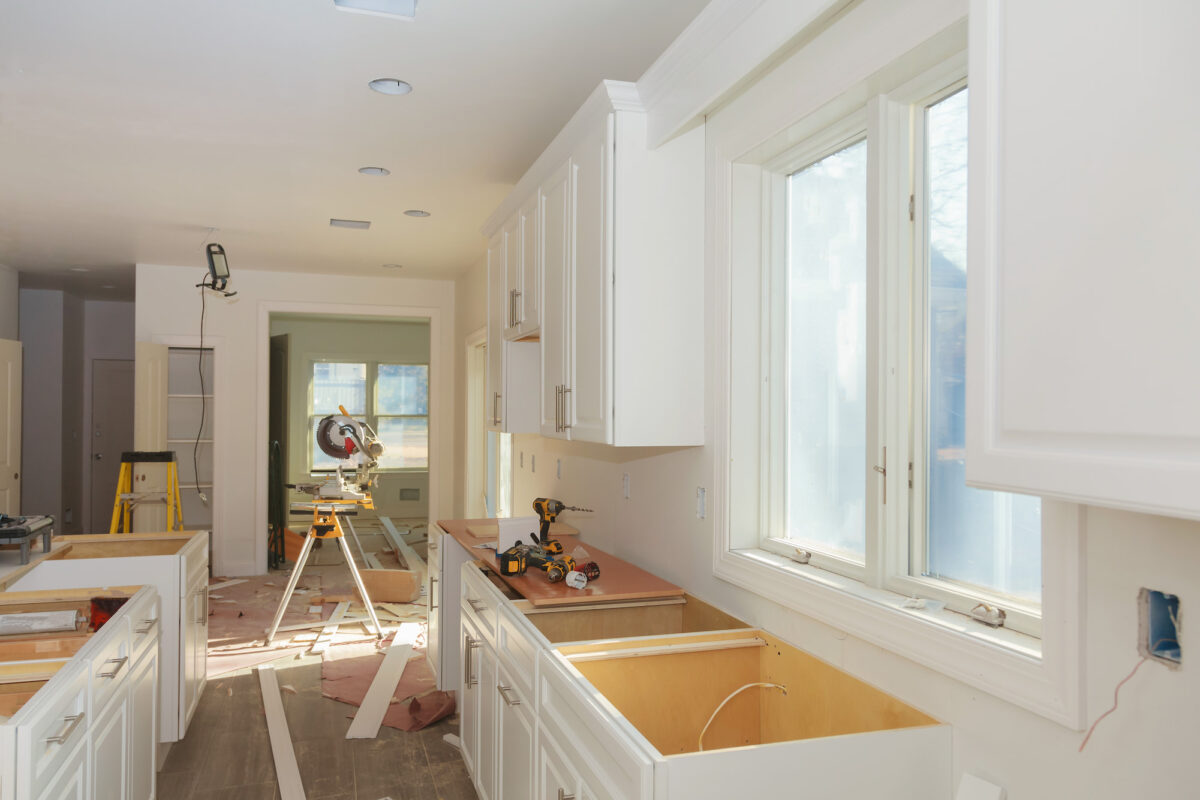
How Much Does It Cost to Revamp Your Kitchen Cabinets? A Complete Breakdown

The kitchen is more than just a functional space—it’s the center of your home. It’s where you make your coffee, help with homework, and prepare holiday dinners.  But when your cabinets are scuffed, outdated, and ready for a cabinet upgrade, it’s hard to love the space you spend so much time in. The good news is, revamping your kitchen cabinets can make your whole kitchen feel new again—without gutting the entire room.

Let’s break down the options, costs, and everything you need to know to make the best choice for your home in Atlanta.

Cost Breakdown by Cabinet Service

1. Cabinet Painting

Painting your cabinets is the equivalent of discovering a great pair of shoes at a thrift store—affordable, transformative, and just the right amount of effort. If your cabinets are structurally sound but feel outdated, painting is a cost-effective way to give them a fresh appearance. Think of it like a great haircut—an affordable way to completely transform your look.

  • Cost: $2,000–$6,000 (depending on size and materials)
  • When to Select Cabinet Painting: Your cabinet frames are in good shape, and you’re ready to trade oak for soft gray or crisp white.
  • Pros: Budget-friendly, customizable, accessible.
  • Cons: It won’t fix structural issues.

2. Cabinet Refacing

Refacing is like giving your kitchen cabinets a new outfit. You keep the solid framework but replace the doors, drawer fronts, and hardware, making them look brand new. It’s a step up from painting, both in cost and impact.

  • Cost: $4,000–$10,000
  • When to Select Cabinet Refacing: Your cabinets are sturdy, but the style looks straight out of an ‘80s sitcom.
  • Pros: Dramatic visual transformation, more durable than paint.
  • Cons: Costs more than painting and doesn’t solve layout issues.

3. Cabinet Redooring

Redooring is refacing’s little sister—it involves replacing only the cabinet doors while leaving the drawers and hardware as they are. It’s perfect for a quick fix that still feels substantial.

  • Cost: $3,000–$7,000
  • When to Select Cabinet Redooring: You like your layout and drawers but want a fresh look for your doors.
  • Pros: Even quicker and more affordable than refacing.
  • Cons: Limited to aesthetic changes, not structural upgrades.

4. Custom Cabinets

Custom cabinets are built from scratch to fit your space, style, and storage needs. If you want a completely customizable experience and are ready to splurge on exactly what you want without any compromises, there’s no other way to go.

  • Cost: $10,000–$30,000 or more
  • When to Select Custom Cabinets: Your current cabinets are falling apart, or your layout doesn’t work for your family.
  • Pros: Total control over design and materials, long-term durability.
  • Cons: Expensive and time-consuming.
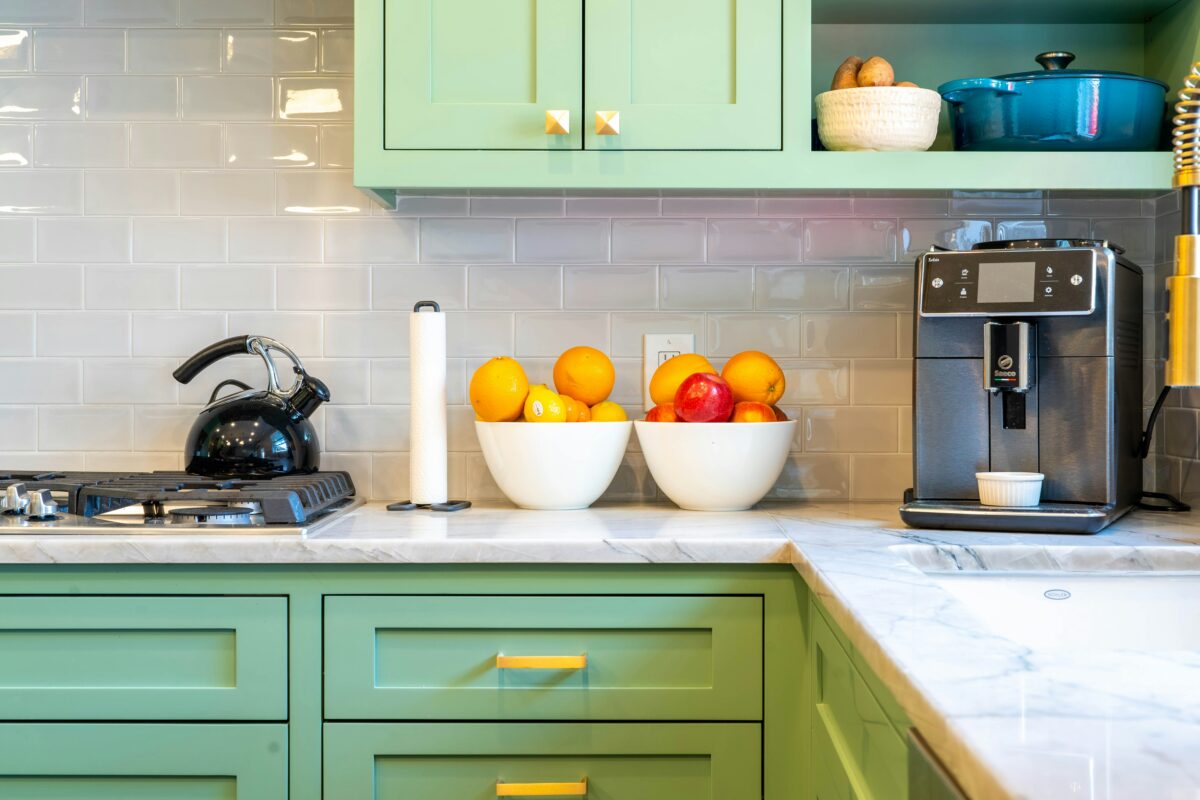
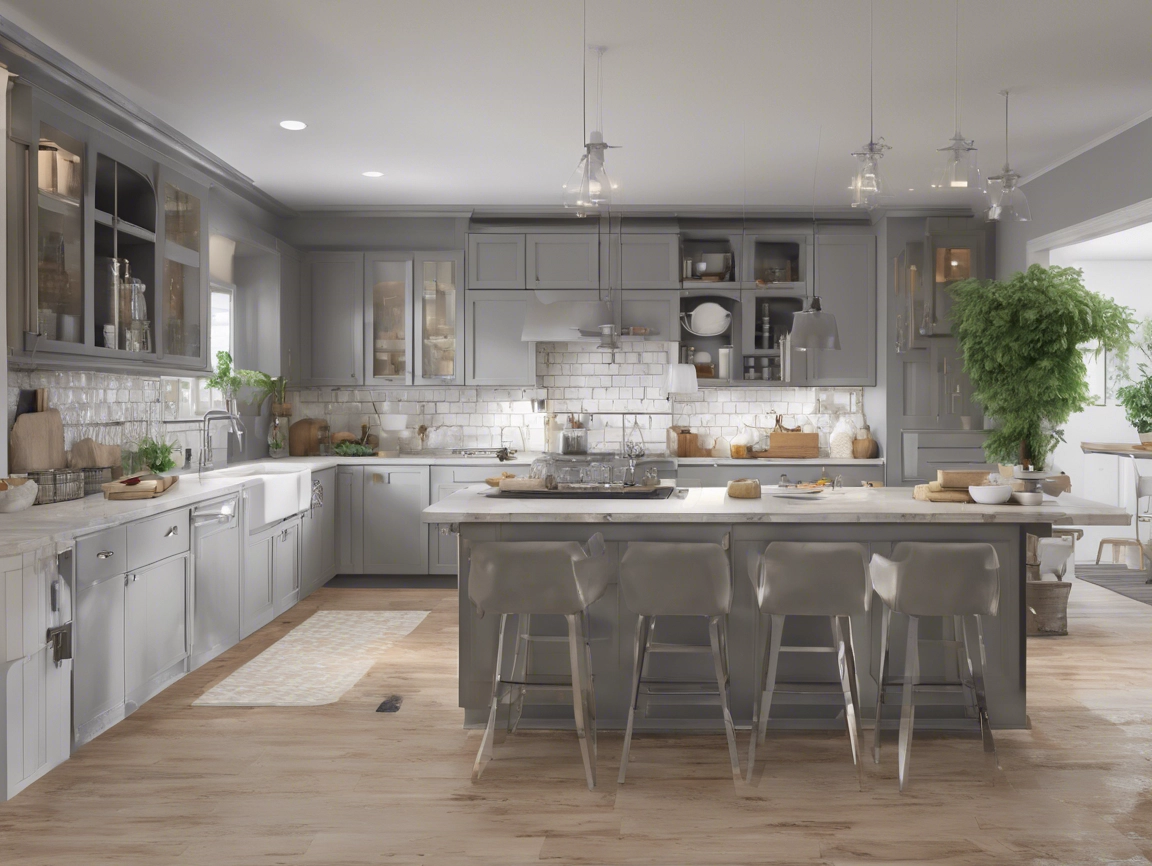
colored kitchen cabinet

Factors Affecting Cost

Now that you’ve got a sense of the options, let’s talk about what influences the final bill:

  1. Size and Number of Cabinets: More cabinets = more money. Simple math, unfortunately.
  2. Material Choices: MDF is cheaper than hardwood, but it won’t last as long.
  3. Complexity of Design: Intricate details and custom work take more time—and money.

Making the Right Choice For Your Atlanta Kitchen

Whether you’re working with a shoestring budget or planning a total kitchen transformation, there’s an option for you. Think about your goals: Do you need a full overhaul or just a few simple updates? Is durability more important than aesthetics, or do you want both?

If you’re still unsure, there are many Atlanta kitchen remodel companies available to help you figure out what will work best for you and your home. We’ve been helping Atlanta homeowners revamp their kitchens for years, and we know how to help you find the perfect match for your life, style, and budget.

Key Takeaways

  • Cabinet painting is an affordable way to freshen up your space.
  • Refacing and redooring offer mid-range solutions for dramatic results.
  • Custom cabinets are the premium choice for a completely personalized kitchen.
  • Factors like size, materials, and complexity will affect the cost.

Sometimes, all it takes to fall back in love with your kitchen is a few small changes. And other times, it’s worth going all-in on the dream. Either way, there’s a solution that will make you smile every time you walk into the heart of your home.

How Much Does It Cost to Remodel a Kitchen in Atlanta?

A kitchen remodel is like starting a new relationship. At first, you’re full of hope and excitement, dreaming about all the wonderful things ahead: the pristine countertops, the cabinets that actually close, the light fixtures that don’t flicker like a bad horror movie. But somewhere along the way—usually right after the first budget meeting—you wonder if you’re in over your head.

Here’s the truth: remodeling your kitchen in Atlanta is going to cost money, one way or another. How much depends on your dreams, your budget, and your ability to compromise when you realize that marble countertops and a built-in pot-filler are not in the cards (yet). Let’s break it down.

The Average Cost of a Kitchen Remodel

Kitchen remodels come in all shapes, sizes, and price tags. In Atlanta, you’ll find projects that range from modest makeovers to full-on HGTV-level transformations. Here’s what that looks like:

Minor Remodel: The Quick Fix

A minor remodel is like giving your kitchen a spa day—it might not involve tearing it down to the studs, but it will feel fresh and transformed. Think cabinet refacing instead of replacements, a bright new backsplash, or swapping out old hardware for something shiny and modern. It’s enough to make you fall in love with your kitchen all over again, without the chaos of a full-scale renovation.

  • Cost Range: $10,000–$25,000
  • What You Get: A space that feels new and inviting, proving that small changes can make a big impact.

Mid-Range Remodel: The Big Update

A mid-range remodel doesn’t require gutting your kitchen, but it takes everything you love (or tolerate) and makes it work better. It’s the sweet spot where practicality meets style. Picture semi-custom cabinets that fit your space like a tailored suit, quartz countertops that gleam in the morning light, and energy-efficient appliances that finally keep up with your cooking adventures.

  • Cost Range: $25,000–$50,000
  • What You Get: Upgraded cabinets, durable countertops, modern appliances, and maybe a new sink that sparkles enough to make washing dishes feel (almost) fun. It’s a thoughtful refresh with enough changes to make it feel brand new.

Complete Remodel: The Dream Kitchen

The dream kitchen isn’t just a space; it’s a feeling. It’s where holiday feasts are prepped, quiet cups of coffee are savored, and families gather (despite all the seating in the living room). A complete remodel starts with a blank slate, giving you the chance to design a kitchen that fits your life perfectly—or at least feels as close to perfect as kitchens get.

  • Cost Range: $50,000 and up
  • What You Get: Custom cabinetry that fits like it was made just for you (because it was), top-of-the-line appliances that turn cooking into a breeze, gorgeous new flooring, and the freedom to reimagine your layout. Want to knock down a wall to open the space? Go for it. This is the remodel where anything feels possible.
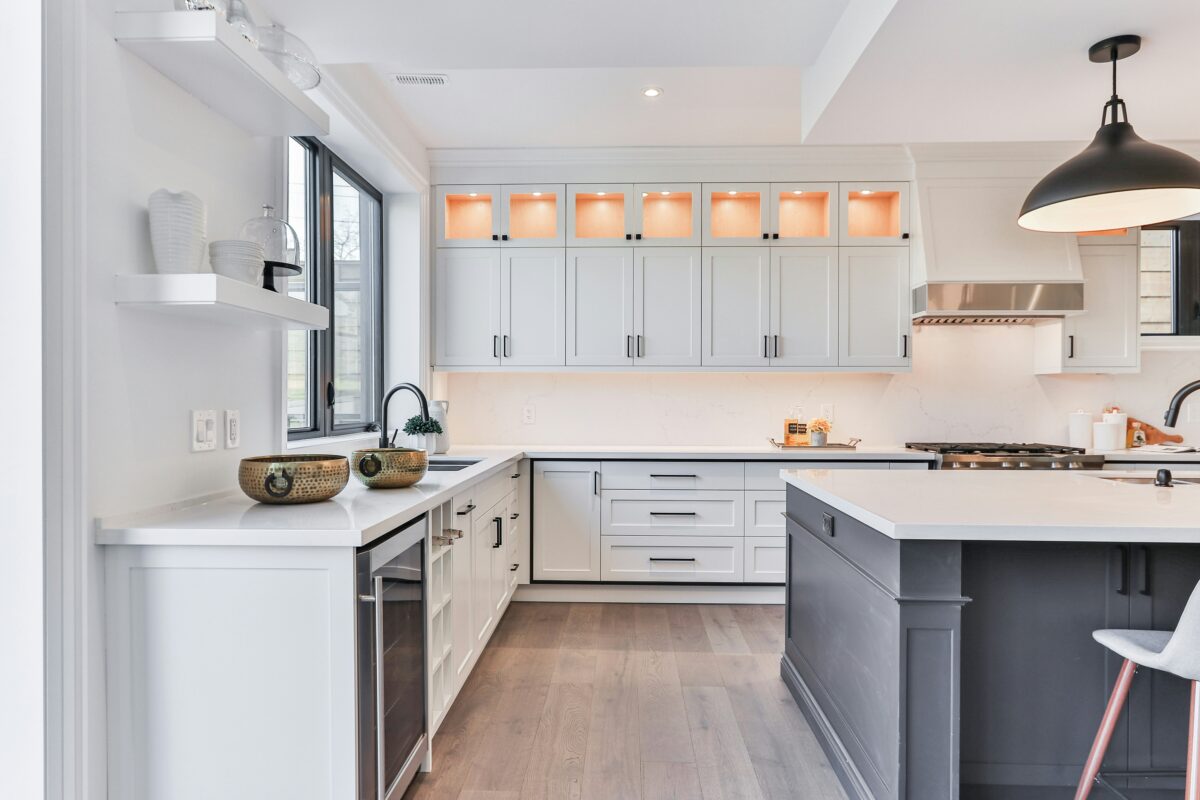
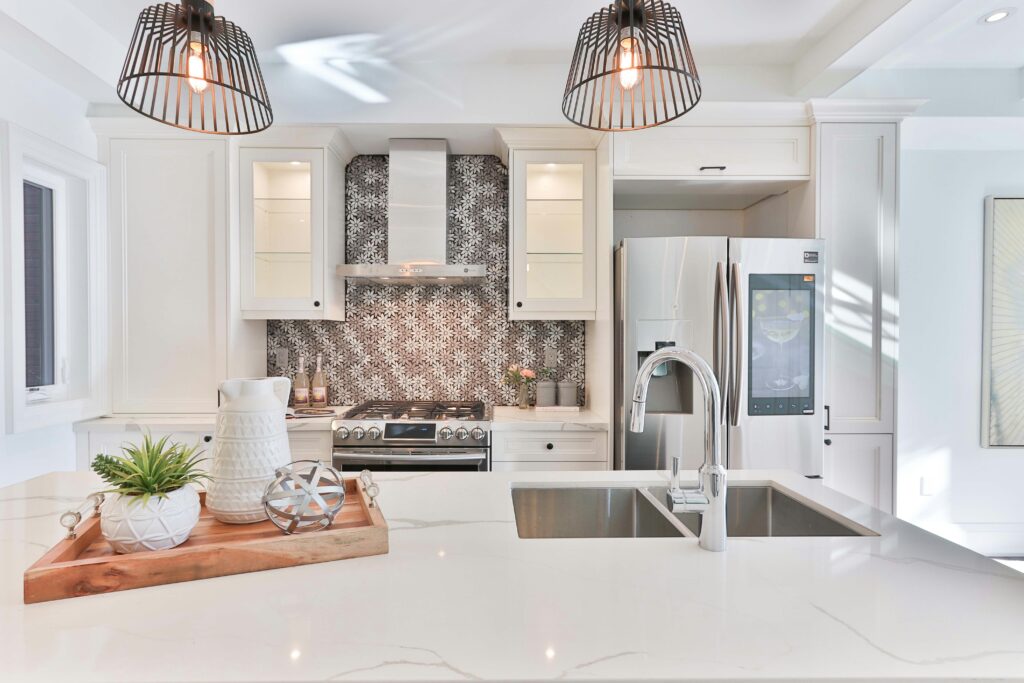
modern white kitchen

Cost Breakdown By Upgrade

When you remodel a kitchen, your money doesn’t just disappear—it gets scattered across a dozen different line items. Here’s how it usually breaks down:

  • Cabinets: 30–35% (The MVP of your kitchen remodel. Cabinets are what make or break your space—and your budget.)
  • Labor: 20–25% (You pay for skill, precision, and the ability to keep things level, which is worth every penny.)
  • Countertops: 10–15% (Your countertops are the workhorse of the kitchen. Choose something durable and gorgeous.)
  • Appliances: 10–20% (High-tech, energy-efficient appliances are pricey, but they make life easier every day.)
  • Flooring and Lighting: 10% (They pull the whole look together—and keep you from tripping in the dark.)

How to Maximize ROI

A kitchen remodel is more than just a financial investment; it’s an emotional one. Here’s how to make sure you get your money’s worth:

  1. Stay Neutral (Most of the Time): Go ahead, choose the wild turquoise backsplash if it makes your heart sing. Just know that neutral tones tend to have better resale value—buyers like a blank canvas.
  2. Add an Island: If you have the space, an island is the perfect way to add extra counter and storage space. It’s a prep station, a serving area, and a place where everyone inevitably gathers at parties.
  3. Cheat Smartly: Can’t afford marble? Go with quartz. Want hardwood but can’t stomach the price? Try luxury vinyl plank. Nobody will know the difference except you—and your wallet.
  4. Hire a Pro: Yes, you could design the kitchen yourself. But a professional designer will save you time, money, and several trips to the hardware store when you realize the sink doesn’t fit.

The Atlanta Kitchen, Reimagined

At the end of the day, your kitchen is where life happens. It’s where you make toast on rushed mornings and slow-cook stews on lazy Sundays. It’s where you pack the kids’ lunches, pour a glass of wine after a long day, and eat more takeout than you care to admit. A kitchen remodel doesn’t just change your space; it changes how you live.

So yes, it’s an investment–and it can be a stressful one at that. But when you’re sitting in your newly finished kitchen with a cup of coffee, you’ll know it was all worth it (even if you didn’t get the built-in pot-filler).

Countertop Showdown: Which Material Is Right for Your Atlanta Kitchen?

There’s a story every kitchen tells, and in Atlanta, that story often begins at the countertop. The kitchen is where Atlanta’s heart beats—through potlucks, holiday spreads, and Sunday breakfasts with strong coffee and biscuits that melt like summer rain. But choosing the right kitchen countertop isn’t just a practical decision; it’s the mark of style, grit, and a keen eye on what pays off in value down the line. Let’s talk about the options that bring out the best in a kitchen, Atlanta-style.

Why Countertop Material Matters in Atlanta

In Atlanta, a countertop isn’t just a slab to chop veggies on—it’s a statement and an investment. With the heat and humidity of the South, not every material can take the pressure. And for homeowners thinking of ROI, the right choice means not just durability but style and low maintenance, too. Whether you’re looking for something high-end or classic, each material has a story and a purpose.

Popular Countertop Materials for Atlanta Homes

When it comes to countertops, the market’s crowded, but each material has a place. Let’s break down the options, so you know which ones are built for the hot, humid, and sometimes unpredictable days of Atlanta life.

Granite Countertops

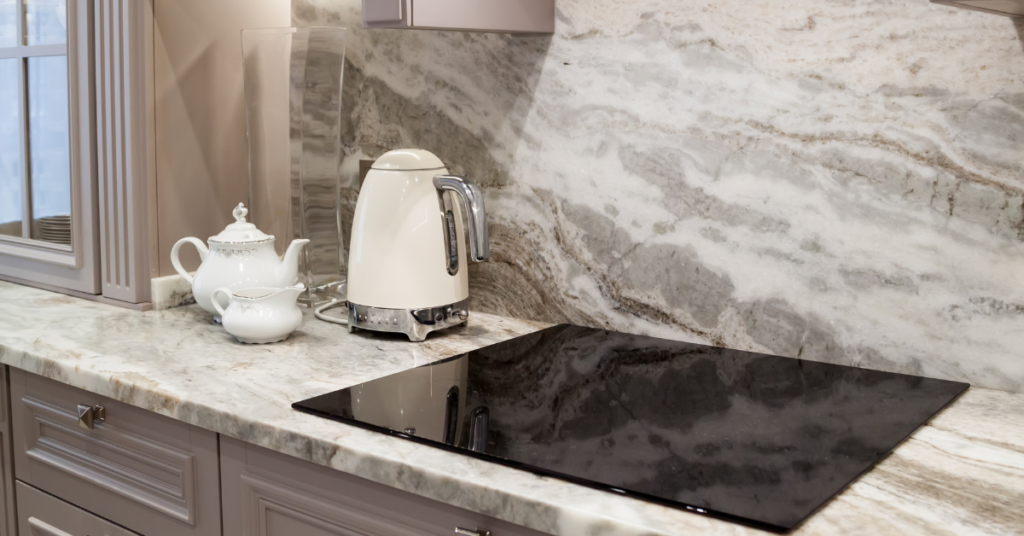
Granite is the classic choice for many kitchens. With a natural look that only Mother Earth herself could design, granite’s unique veining and rich colors elevate any space. It handles Atlanta’s humidity with grace but has a few quirks you need to know.

  • Pros: Heat-resistant, durable, and every slab’s got a personality of its own.
  • Cons: Needs periodic sealing to stay sharp, and it won’t come cheap.
  • Best For: Homeowners seeking that timeless, luxurious look. A granite countertop says, “I’m here to stay.”

Quartz Countertops

A quartz countertop is like a reliable friend who’s always got your back. Engineered to be low-maintenance, this non-porous countertop is ideal for a busy Atlanta family that can’t babysit its kitchen surfaces.

  • Pros: Stain-resistant, comes in a range of colors, and doesn’t need much upkeep.
  • Cons: Sensitive to heat and sometimes pricier than you’d expect.
  • Best For: Families who want a sleek, polished look without breaking their backs—or their banks—on maintenance.

Marble Countertops

Marble might be high-maintenance, but it’s a head-turner, the luxury pick that says you’re not afraid of a little extra care. Known for its cool touch and striking veining, marble’s elegance fits right into Atlanta’s stately homes, even if it needs a bit of TLC to stay fresh.

  • Pros: Classic beauty, unique veining, and sophistication in spades.
  • Cons: Prone to scratches and stains, with regular sealing needed.
  • Best For: Homeowners who value aesthetics over ease, willing to put in the work for a timeless look.

Butcher Block Countertops

There’s a reason Southerners love butcher block. It’s warm, inviting, and gives a farmhouse charm that feels right at home here. But don’t be fooled; it’s as sensitive as it looks, needing sealing to protect it from the swampy side of Atlanta’s climate.

  • Pros: Affordable, rustic charm, and can be sanded down and refinished.
  • Cons: Prone to scratches and water damage, so it needs regular attention.
  • Best For: Those going for cozy, rustic vibes who don’t mind a little upkeep for that lived-in warmth.

Concrete Countertops

Concrete is the outsider that’s found its way into Atlanta’s more modern kitchens. Industrial, rugged, and customizable, concrete can take almost any shape you can imagine. But like any rebel, it’s got a few rough edges.

  • Pros: Customizable, durable, and packs a visual punch.
  • Cons: Prone to cracking, needs sealing, and isn’t the cheapest option.
  • Best For: Those with a flair for modern style who don’t mind paying a bit more for a statement piece.

Laminate Countertops

Laminate is the underdog that’s earned its place. Affordable, versatile, and easy to install, it’s the go-to choice for budget-conscious homeowners who want options without the hefty price tag.

  • Pros: Wallet-friendly, endless color options, and easy to install.
  • Cons: Less durable, can’t take much heat, and scratches easily.
  • Best For: Budget-savvy homeowners who want variety without high maintenance.

Selecting the Best Countertop for Your Atlanta Kitchen

Choosing the right kitchen countertop for your Atlanta home isn’t just about looks; it’s about function, durability, and how you live. With each material comes a promise—and a few quirks. Granite’s bold elegance, quartz’s easy upkeep, marble’s timeless luxury, butcher block’s warmth, concrete’s edge, and laminate’s versatility. The choice is yours, but choose wisely—because a countertop isn’t just part of your Atlanta kitchen remodel. It’s part of the story your home tells, and in Atlanta, that story’s worth telling right.

Maximizing ROI on Your Home Renovation: Expert Insights from Atlanta Realtor Debora Ciupitu

Renovating your home can be one of the best ways to increase both its market value and its appeal to potential buyers. However, according to Debora Ciupitu, a ten-year veteran realtor with Atlanta Fine Homes Sotheby’s International, not all renovations are created equal when it comes to return on investment (ROI). In a recent conversation with Reno ROI, Debora shared her valuable insights on where homeowners should focus their renovation dollars to see the greatest impact.

Kitchens and Bathrooms: Key Investment Areas

For homeowners considering renovations, Debora emphasizes two primary areas: the kitchen and the owner’s suite bathroom. “The kitchen, that’s where a lot of people spend time at,” she explains, noting that it’s often the focal point during gatherings. “When you’re hosting a party or having Thanksgiving, everyone kind of lingers around the kitchen because that’s where the food is.” She also highlights the importance of bathrooms, adding that they’re another significant space where people spend time and appreciate updates.

Debora notes that the kitchen is often the area with the most noticeable impact, suggesting that updates here can include fresh paint, modern cabinets, and even new countertops. These relatively straightforward changes can make a home feel more inviting and current, which is especially important for potential buyers who may be turned off by outdated aesthetics.

The Value of Hiring Professionals

One common pitfall, Debora warns, is attempting complex renovations on a DIY basis without the necessary skills. “Unless you are very well experienced, DIY renovations can be a mistake,” she says, advising homeowners to work with professionals to ensure quality and consistency. She points out that even well-intentioned DIY projects can fall short if they lack the polish and precision of professional work, particularly in high-value homes.

Debora stresses the importance of design choices that appeal broadly to the market, especially with kitchen renovations. “People are into white cabinets right now; those will sell faster,” she explains, urging homeowners to consider neutral colors and styles that have lasting appeal. Making bold design choices like black cabinets or highly personalized features can be risky. Debora recalls a client who installed a $15,000 Japanese bathtub, only to struggle with resale later because prospective buyers didn’t appreciate the unique investment.

Making a Home Market-Ready: Turnkey Appeal

In today’s competitive market, Debora finds that most buyers are looking for a “turnkey” experience—they want a home that’s already updated and doesn’t require immediate work. She points out, “If someone is buying a $500,000 house and renovations are going to cost $100,000, a lot of people don’t have that extra cash on hand.” By investing in strategic updates, homeowners can make their property more attractive to buyers who may not have the budget to tackle renovations themselves.

Timing is also crucial when remodeling a home for resale. Debora advises giving yourself four to six months to plan and complete any major updates. “With the contractors I work with, kitchen and bathroom renovations usually take about three months,” she says, allowing homeowners ample time for adjustments before listing their property.

Design Trends to Watch

When it comes to design trends, Debora notes a resurgence in gold and brass fixtures. “Now it’s all about neutral colors, and surprisingly enough, gold and brass are coming back,” she says. This trend toward mixing classic elements with modern touches can add warmth and sophistication to a home’s aesthetic without compromising its resale potential.

Balancing Personal Taste and Market Appeal

Finally, Debora offers advice on balancing personal style with broader market preferences. While it’s natural to want a home to reflect personal taste, homeowners should consider long-term trends if they may sell in the future. “You can make it your own by adding things that are easily removable, like big art pieces or temporary backsplashes,” she suggests. This approach allows homeowners to enjoy a customized space without risking resale challenges.

Conclusion

Debora’s insights highlight how strategic renovations can make a substantial difference in a home’s appeal and market value. By focusing on key areas like the kitchen and bathrooms, sticking to timeless styles, and working with professionals, homeowners can enhance their living spaces while maximizing ROI. For those considering a renovation project, Debora’s advice serves as a practical roadmap to achieving both personal satisfaction and financial success.

Remodeling for Resale: What Atlanta Buyers Want in a Modern Bathroom

A great bathroom remodel can make a world of difference when it’s time to sell your home. Potential buyers often prioritize bathrooms, so making sure yours is up-to-date and attractive can set your home apart. By understanding what local buyers are looking for in a modern bathroom, you can increase your return on investment (ROI) and ensure your property appeals to Atlanta’s competitive housing market.

Why Bathroom Remodel?

Bathroom remodels consistently rank high on the list of renovations that add value to a home. Here are a few reasons why remodeling your bathroom is a wise investment for resale:

  • Buyer Appeal: A modern, stylish bathroom is often a top priority for homebuyers, and for many, it can be a deal-breaker. Outdated bathrooms with old fixtures, a lack of storage, or unattractive tile are undesirable and can leave a negative impression.
  • Increased Home Value: According to industry research, bathroom remodels can yield a return of around 70% or more on the investment, depending on the scope and quality of the work. In the Metro Atlanta area, where buyer expectations are continually evolving, a newly remodeled bathroom can justify a higher asking price.
  • Energy Efficiency and Savings: Modern fixtures not only look better but often come with energy-saving features, which can be an attractive selling point for eco-conscious buyers. Upgraded features like low-flow showerheads, water-saving toilets, and LED lighting contribute to a home’s overall energy efficiency.

Key Features Atlanta Home Buyers Are Looking For

To maximize your bathroom remodel’s resale value, it’s crucial to include features that appeal to today’s Atlanta-area buyers. Here are some must-haves:

  1. Spa-Like Showers and Freestanding Tubs: Modern buyers seek a retreat-like experience in the bathroom. Large, spa-like showers with rainfall showerheads, multiple body sprays, and frameless glass enclosures can make a big difference. Freestanding tubs add a touch of luxury and visual appeal, especially in master bathrooms.
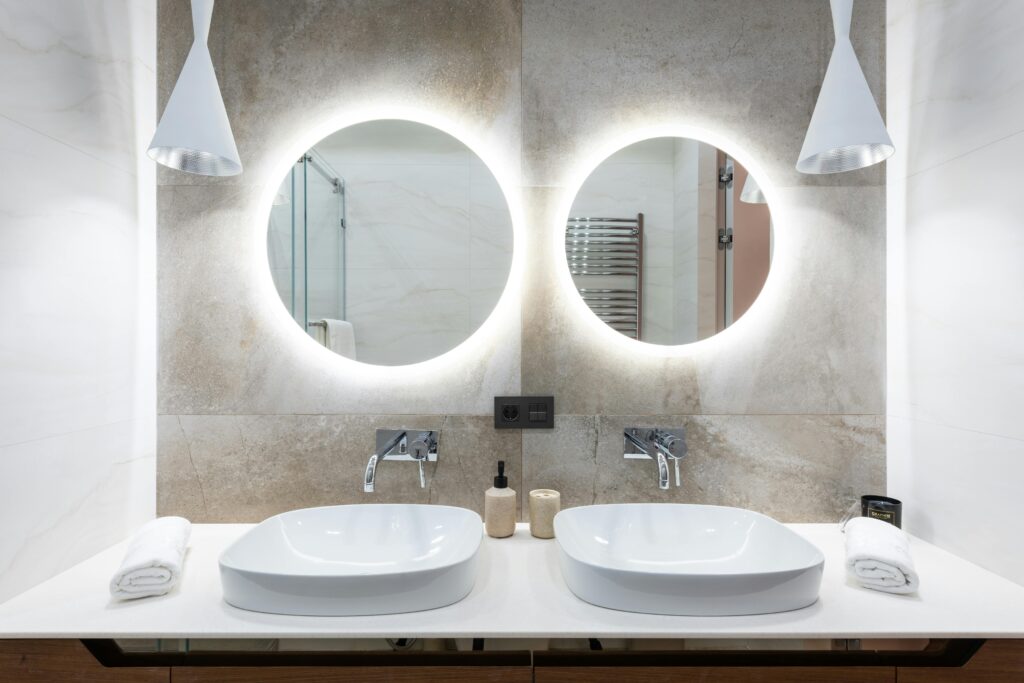
  2. Double Vanities: In a city like Atlanta, where work-life balance is highly valued, double vanities are a coveted feature in a bathroom remodel. Homeowners appreciate the convenience of having two sinks, allowing for a smoother morning routine and adding a sense of luxury to the space.
  3. Extra Storage: Storage can be a game-changer in any bathroom. Buyers look for clever storage solutions like built-in shelves, under-sink cabinets, and medicine cabinets that keep the space organized and clutter-free. Consider maximizing vertical space for extra storage options without compromising floor space.
  4. Energy Efficiency: Eco-friendly features are increasingly becoming standard in bathroom remodels. Buyers will appreciate upgrades like low-flow faucets, water-efficient toilets, and energy-saving LED lighting. Heated floors, another energy-efficient feature, can be a significant selling point, especially for those colder months.
  5. Smart Technology: Integrating smart technology into your bathroom remodel can make your home feel more modern and tech-forward. Consider features like LED mirrors with built-in anti-fog technology, smart thermostats for heated floors, and even motion-activated lighting. These modern amenities cater to the growing demand for energy efficiency and convenience.

Design Trends Atlanta Buyers Love

When remodeling with resale in mind, it’s essential to consider current design trends that appeal to potential buyers. Here are a few design elements that Metro Atlanta buyers are especially interested in:

  1. Neutral Color Palettes: Neutral colors create a clean, inviting atmosphere and allow buyers to envision the bathroom as a blank canvas they can personalize. Shades of white, beige, and soft gray are timeless choices that complement a variety of personal styles.
  2. Timeless Tile Choices: Tile plays a significant role in bathroom design, and opting for classic materials and patterns can add a sense of sophistication. Subway tiles, marble-inspired porcelain, and penny tiles are all popular options that look elegant and won’t go out of style.
  3. Open Layout: The open-layout concept has moved beyond living spaces and into bathrooms. A more open, airy layout with minimal barriers creates a feeling of spaciousness. For smaller bathrooms, removing bulky cabinetry and opting for floating vanities can make the space feel larger and more inviting.
  4. Statement Lighting: Lighting is a simple but effective way to add style and functionality to a bathroom. Chandeliers, pendant lights, and LED vanity lighting not only enhance the aesthetic appeal but also improve functionality. Smart lighting systems, like dimmable fixtures, allow for both task lighting and softer, mood-setting ambiance.

If You Need a Sign to Remodel, This Is It.

By incorporating these features and design elements, you can create a modern, luxurious bathroom that will appeal to buyers in the Atlanta market. From spa-like showers and freestanding tubs to energy-efficient upgrades and smart technology, the right remodeling choices can make a significant difference in your home’s resale value.

Consulting with local experts who understand the latest trends and buyer preferences is essential to any bathroom remodel. Start planning your remodel today to ensure your home stands out in a competitive market, attracting buyers who are willing to pay big for style, functionality, and modern convenience.

2025 Kitchen Trends: A Bold, Sleek Goodbye to Gray

The kitchen. It’s not just a place where you scramble your eggs and brew your coffee. No, it’s where deals are made, conversations spark, and life unfolds. In 2025, the kitchen doesn’t just keep pace; it sets the tone. The rules of the game are changing, and gray? It’s out. Dead and buried. What’s in? Something bolder, with a little more swagger.

Gray’s Had Its Day. Now, It’s Time to Get Bold.

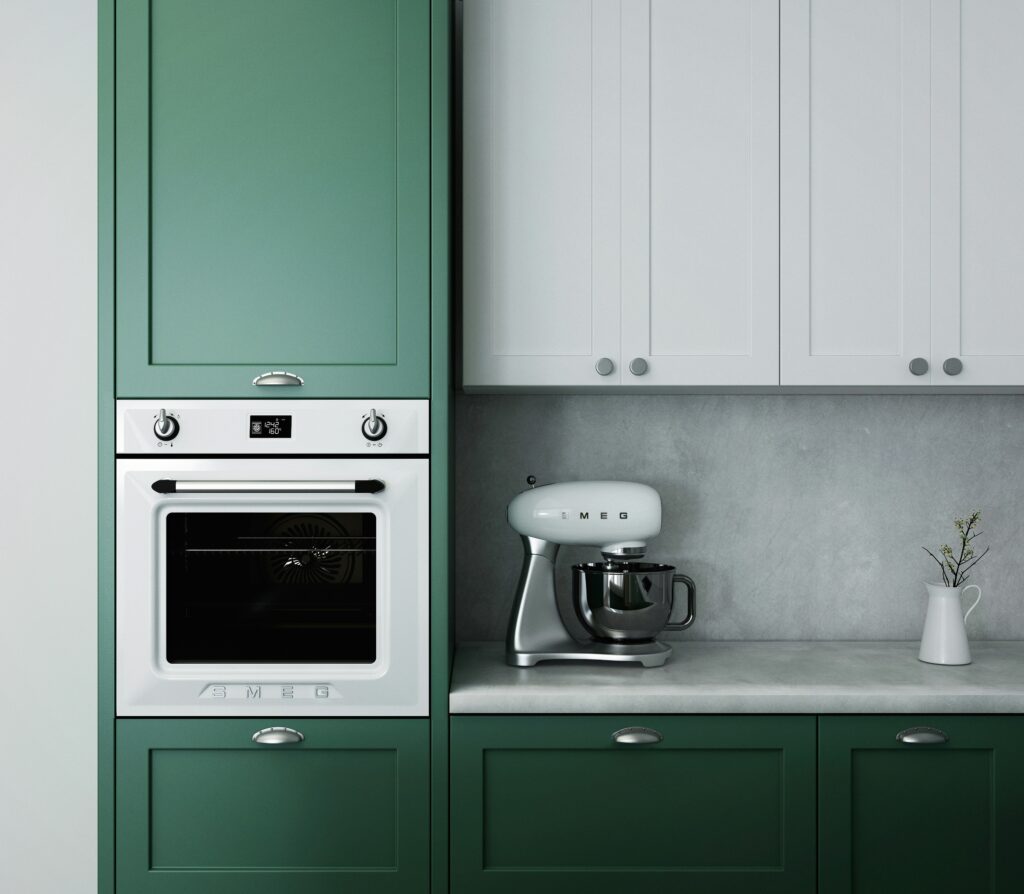
For years, gray kitchens were the talk of the town. They had a clean, professional look that said, “I mean business.” But here’s the thing—gray never made you feel anything. It was too safe, too predictable. 2025? It’s not about playing it safe. This year, cabinets wear colors with bite: rich greens, deep blues, and aubergines dark enough to swallow you whole. These aren’t your grandmother’s pastels. These colors have weight, they have presence.

But here’s the trick: you’ve got to know how to play them, or they’ll take you for a ride. Bold can’t just stand on its own—it needs a counterpart. That’s where warm, natural materials step in.

Bold Meets Natural: The Perfect Match

You can’t just throw dark cabinets into a room and call it a day. They need grounding, something to pull them back from the edge. That’s where warm neutrals come in. Wood that’s rich and unpainted, stone that’s rough around the edges—these are the partners bold colors need.

Picture this: deep navy cabinets, slick and glossy, up against a backdrop of stained oak. The wood takes the edge off the color, makes it approachable. Warm, natural textures have a way of pulling bold colors down to earth, letting them breathe. It’s not just a kitchen anymore. It’s a space that feels lived in, not just looked at.

The Living Kitchen: Where Work and Life Collide 

In 2025, the kitchen isn’t just for cooking. It’s where life happens. The “living kitchen” is all about making it more than a utilitarian space. Think comfortable chairs in the corner, soft lighting, and open layouts that spill into the rest of the house. It’s a place to linger, to talk, to plot your next move.

Those bold cabinets? They set the tone. The natural materials? They keep it warm, comfortable. Together, they create a space where you want to be, whether you’re chopping vegetables or just pouring a glass of whiskey after a long day.

Countertops: The Drama Is in the Details

Every kitchen needs a star, and in 2025, it’s the countertops. Forget about plain slabs of stone. We’re talking bold, veined marbles, expressive stones with personalities that could fill a room. A waterfall edge that cascades down the side of the island like it’s going somewhere, even if you’re not.

But the trick here? Don’t overdo it. Let the countertops steal the scene, while the rest of the kitchen plays it cool. Muted cabinets, warm wood accents—let them take a step back, while the stone does all the talking.

The Concealed Kitchen: Minimalism with a Side of Mystery

If you like your spaces clean, uncluttered, and sleek, the concealed kitchen is your game. Built-in appliances, flush cabinetry, appliance garages—it’s all hidden away, out of sight, like a secret waiting to be found. The kitchen feels smooth, controlled. Nothing out of place, no surprises.

Pair that with bold colors and warm, natural textures, and you’ve got something special. It’s minimalism without the coldness—sleek, but still inviting.

The Biggest Trend of All: Make It Yours

Get a Free Backsplash

Get a free backsplash with cabinet refacing or new cabinetry. Make your kitchen’s style stand apart—limited time only at Kitchen Tune-Up Canton, Woodstock, Cumming, Alpharetta, Milton!

2025 is the year kitchens stop following the rules. This year, the trend is personalization. Your kitchen should look like you, not some cookie-cutter display from a showroom. Whether it’s bold colors, natural materials, or a mix of both, it’s all about blending trends into something that fits your life.

The kitchen is your stage, and the design? That’s your story to tell.

Final Thoughts: Kitchens That Stand Their Ground

This year, kitchens are shaking off the dust and getting bold. From rich colors to natural materials, it’s about spaces that have depth, personality, and warmth. A kitchen that makes a statement without saying a word.

So, if you’re looking to renovate, forget about following trends. Make your kitchen stand for something, even if that something is just a quiet moment with a strong cup of coffee. Because in 2025, the best kitchens are the ones that know who they are—and don’t apologize for it.

Maximizing ROI on Luxury Home Renovations: Insights from a 20-Year Veteran Builder

Home renovations are a significant investment, especially in luxury markets like Atlanta, where homes often range between $1.5 to $4 million. As Austin Lineberry, the owner of New River Building Company, shared in a recent interview with Aaron VanderGalien, two critical components can make or break the return on investment (ROI) of a renovation: thorough planning and incorporating outdoor living spaces.

1. The Importance of Planning in Renovations

Austin emphasizes the necessity of meticulous planning. According to him, “A lot of people go cheaper on plans and don’t emphasize that part, but it’s crucial for any building project.” Homeowners often overlook the importance of comprehensive architectural and land planning, which can lead to mistakes, delays, and higher costs.

  • Investing in quality architecture: Spending more on detailed plans ensures smoother execution and minimizes the chance of costly rework.
  • ROI on detailed plans: While some homeowners may balk at the cost of hiring top-tier architects, Austin argues that in markets like Atlanta, better planning can directly increase the home’s resale value. Homes with custom architecture hold their value better and sell faster than those built from stock plans.

2. Outdoor Living Spaces: More Than Just a Luxury

Outdoor living has become just as important as indoor spaces

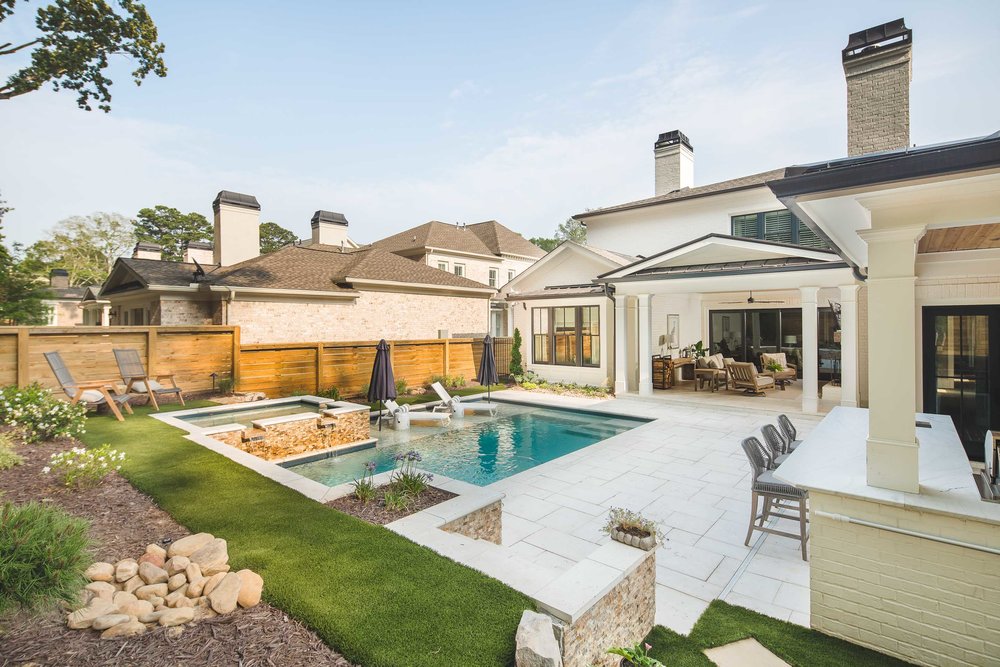
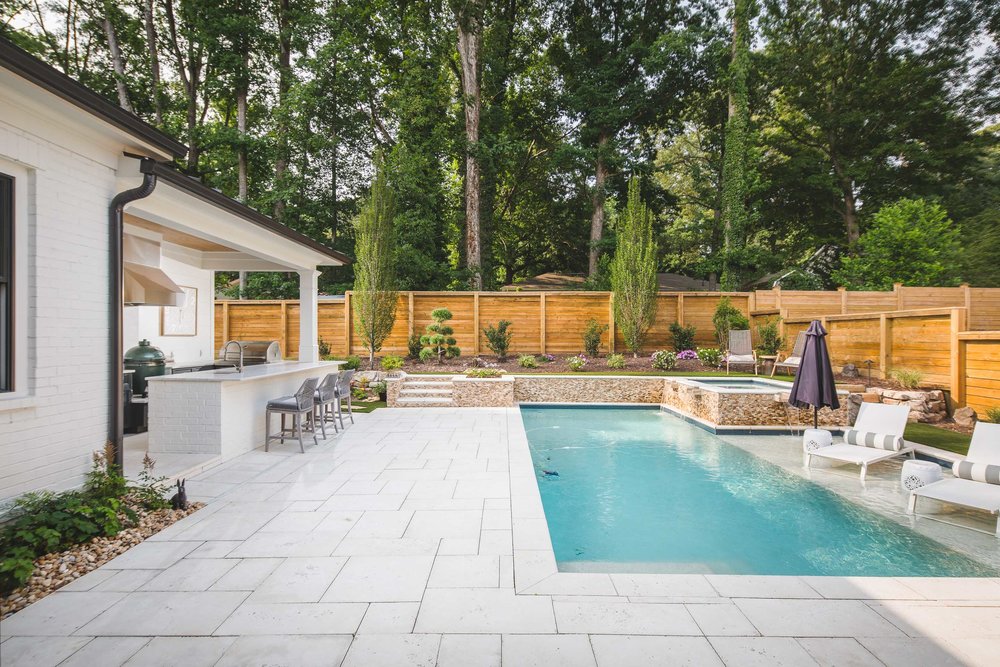
Outdoor living is not just a trend; it’s a significant factor in home desirability and resale value, especially in regions like Georgia where year-round outdoor enjoyment is possible. Austin states, “Outdoor living has become just as important as indoor spaces,” with features like outdoor kitchens, fire pits, and even cold plunge pools now seen as essential amenities rather than optional extras.

  • Appraisal and market value: In many cases, outdoor spaces are appraised and valued highly by potential buyers. Investing in a patio, pool, or landscaped area can result in a significant increase in property value.
  • Design trends: Features such as astro turf lawns, feature walls, and automated screens are rising in popularity, allowing homeowners to create seamless transitions between indoor and outdoor spaces.

3. Real-World ROI Scenarios: Stock Plans vs. Custom Designs

Austin provides examples of homes designed with stock plans versus fully custom designs. He suggests that custom architecture almost always commands a higher price point. Homes designed with local topography in mind—what Austin calls “letting the lot speak to you”—often flow better and create a more aesthetically pleasing and functional space.

  • Case study: Two homes, both valued at $2.5 million, will sell differently depending on the architectural investment. A custom-designed home could easily sell for $50,000 to $75,000 more than a stock plan due to its unique appeal and functionality.

4. Outdoor Amenities: When to Invest and When to Hold Back

Outdoor living is often a guaranteed ROI booster, but as Austin explains, there’s a point of diminishing returns. For instance, adding a basic pool or well-designed patio can yield more than 100% ROI in certain markets. However, excessive personalization—such as over-the-top fire pits or elaborate water features—may not always provide a one-to-one return.

  • Smart investments: Fireplaces, infrared heaters, and sound systems are now standard in luxury outdoor spaces and offer high returns on investment.
  • What to avoid: Avoid going overboard with features that may only appeal to niche buyers, like massive rock structures or overly customized pools.

5. The Atlanta Market: Catering to Luxury Buyers

Austin notes that the North Atlanta suburbs are affluent areas where buyers are willing to pay for luxury features, particularly in outdoor living. Homeowners here often prioritize high-quality materials and craftsmanship, knowing it will pay off when it’s time to sell.

  • Outdoor living in high demand: In some cases, smaller interior square footage is traded off for expanded, luxurious outdoor spaces, which are increasingly seen as essential by homebuyers in Atlanta’s hot climate.

Conclusion:

Renovations are not just about transforming your home; they are also about making smart financial decisions. As Austin’s insights show, investing in detailed planning and incorporating outdoor living can significantly boost your home’s value, especially in luxury markets like Atlanta. Whether you’re updating your home to enhance your lifestyle or preparing to sell, taking the time to plan properly and invest in outdoor spaces is key to maximizing your renovation ROI.

Photos courtesy of New River Builders

Upload a Photo and Start Your Kitchen Remodel With AI

The kitchen is often the heart of the home, and a well-executed remodel can significantly enhance its functionality and aesthetic appeal. If you’ve been contemplating a kitchen renovation but are unsure where to start, you’re in luck.

Today’s technology makes it easier than ever to visualize your dream kitchen before lifting a hammer. You can now upload a photo of your kitchen and see how different design choices will look—all thanks to advanced AI tools and digital platforms.

These tools allow you to experiment with everything from kitchen cabinet colors to full-scale makeovers in a virtual environment.

In this article, we’ll explore some of the most popular AI tools and digital platforms that can help you achieve your kitchen remodel goals, all by simply uploading a photo.

AI Tools and Digital Platforms for Your Kitchen Remodel

AI Room Planner

AI Room Planner is a user-friendly platform that enables you to upload a photo of your kitchen and start planning your renovation. The tool allows you to change the layout, experiment with different cabinet designs, and visualize the space in 3D.

Learn More: AI Room Planner

ReImagineHome

REimagineHome offers a swift and intuitive AI-powered platform designed for virtual staging, remodeling, landscaping, and interior designing, catering specifically to realtors, marketers, photographers, developers, and interior designers. This tool transforms listings with instant virtual staging, enabling users to beautify spaces and showcase properties in multiple design styles quickly, easily, and cost-effectively.

Learn More: ReImagineHome

Homestyler

Homestyler is a versatile platform that allows you to upload a kitchen photo and explore various design elements, from cabinets to flooring. The 3D rendering feature provides a realistic view of how your new kitchen could look.

Learn More: Homestyler

Interior AI

AI interior design renderings. Reimagine any room or interior space with more that 20+ interior design styles to create stunning interiors in seconds. Control finishes, colors and lights.

Learn More: Interior AI

Foyr Neo

Foyr Neo is a comprehensive tool that allows users to create 3D floor plans and interior designs online. It’s designed to help interior designers complete their projects faster and more efficiently. With Foyr Neo, users can go from a floor plan to a finished render in less than a couple of hours, making it a great tool for time-sensitive projects.

Learn More: VisualizeAI

Get your business featured on RenoROI

Submit your business to be featured on RenoROI, where our readers are looking for the latest tools, tips, and trends for their home renovation projects.

Decor Matters

DecorMatters is an AI-powered interior design app that stands out for its user-friendly interface and extensive library of furniture and decor items from top brands. This app is more than just a design tool; it’s a platform that brings together a community of design enthusiasts. Users can share their designs with others, get feedback, and find inspiration from the community. This collaborative aspect of DecorMatters makes it a great tool for both professional designers and design enthusiasts who want to learn and grow.

Learn More: DecorMatters

Luma ai

Luma ai offers an AI-driven approach to kitchen design. Upload your kitchen photo and explore various design scenarios that can help you optimize your space and achieve a modern, stylish look.

Learn More: Luma ai

According to Google trends, the search volume for AI design related tools and software has increased 1700% from 2022 to 2023 alone.

– explodingtopics.com

Planner 5D

Planner 5D is a well-known platform that allows you to create detailed kitchen designs in 3D. Upload your kitchen photo to start experimenting with different configurations, color schemes, and materials.

Learn More: Planner 5D

Architechtures

Architechtures offers a unique approach to kitchen design, allowing you to upload photos and explore various architectural styles. The platform is ideal for those looking to incorporate specific design elements into their remodel.

Learn More: Architechtures

Decorilla Interior Designer

Decorilla offers personalized design services combined with powerful AI tools. Upload your kitchen photo, and work with professional designers to achieve a remodel that fits your exact needs.

Learn More: Decorilla Interior Designer

Getfloorplan

Getfloorplan focuses on creating accurate floor plans from your uploaded photos. This tool is perfect for homeowners who want to start their kitchen remodel with a clear and detailed layout.

Learn More: Getfloorplan

RoomSketcher

RoomSketcher is a versatile tool that lets you upload your kitchen photo and create detailed 2D and 3D designs. The platform is ideal for visualizing your kitchen remodel before committing to any changes.

Learn More: RoomSketcher

Midjourney

Midjourney is an AI image generator that has made a name for itself in the field of AI and design. The tool, which can be used to generate design concepts, is a game-changer for both professional designers and design enthusiasts. It provides users with a starting point for their interior design projects, allowing them to explore new design possibilities and push the boundaries of their creative vision.

Learn More: Midjourney

Conclusion

Renovating your kitchen doesn’t have to be a daunting task. With the right tools and checklists, you can visualize and plan your entire remodel before making any changes to your home. By using the AI tools and platforms mentioned above, you can upload a photo of your kitchen and explore various design options that fit your style, budget, and needs.

Whether you’re planning a minor update or a complete overhaul, these tools provide the guidance and inspiration you need to create the kitchen of your dreams.

The Ultimate Kitchen Remodel Checklist: A Step-by-Step Guide

Embarking on a kitchen remodel can be an exciting yet daunting task. With so many details to consider, from budgeting to design choices, it’s easy to feel overwhelmed. That’s why having a comprehensive kitchen remodel checklist is essential. This guide will walk you through every step of the process, ensuring that your renovation stays on track and meets your expectations. Whether you’re updating a few key elements or doing a complete overhaul, this checklist will help you navigate your kitchen remodel with confidence.

Stage 1: Planning Checklist

Define Your Goals and Budget

  • Determine the Scope: Are you doing a full remodel or just updating specific elements? Clearly define what you want to achieve.
  • Set a Realistic Budget: Research the average costs for your planned changes and add a 10-15% buffer for unexpected expenses.
  • Consider ROI: Focus on upgrades that will provide the best return on investment, such as energy-efficient appliances and durable materials.

Create a Detailed Design Plan

  • Layout Planning: Optimize your kitchen layout, considering the kitchen triangle (sink, stove, refrigerator) for efficient workflow.
  • Style and Aesthetics: Choose a cohesive style that complements your home, including cabinets, countertops, flooring, and lighting.
  • Storage Solutions: Plan for smart storage, like pull-out shelves, lazy Susans, and a well-organized pantry.

Material and Finish Selections

  • Cabinets: Choose high-quality materials that are durable and aesthetically pleasing.
  • Countertops: Select countertops that balance beauty and functionality; granite, quartz, and butcher block are popular choices.
  • Flooring: Opt for flooring that is both durable and easy to clean, such as tile, hardwood, or luxury vinyl plank (LVP).
  • Appliances: Research and choose energy-efficient appliances that match your kitchen’s style and functional needs.

Final Steps in Planning

  • Timeline Estimation: Create a rough timeline for your project, factoring in lead times for materials and the potential for delays.
  • Permits: Research local regulations to determine if any permits are required for your remodel. Make sure these are secured before work begins.

Stage 2: Vetting and Hiring Contractors

Choosing the Right Professionals

  • Research and Referrals: Ask for recommendations from friends, family, or neighbors who have had similar work done. Check online reviews and ratings.
  • Get Multiple Quotes: Obtain at least three quotes from different contractors. Compare not just the cost, but also the scope of work each contractor is proposing.
  • Check Credentials: Ensure your contractor is licensed, insured, and bonded. Verify their experience with kitchen remodels similar to yours.

Interviewing Contractors

  • Ask About Experience: How many kitchen remodels have they completed? Do they have a portfolio of past work?
  • Understand the Process: Ask how they handle unexpected issues, manage timelines, and communicate progress.
  • Discuss Subcontractors: Inquire if they will be using subcontractors for parts of the job, and if so, how they ensure quality and timelines.
  • Review Contracts: Ensure the contract clearly outlines the scope of work, payment schedule, timeline, and any contingencies for delays.

Stage 3: Work Begins – Homeowner Checklist

Tracking Costs and Progress

  • Cost Monitoring: Keep a detailed record of all expenses, including materials, labor, and any unforeseen costs. Compare them against your budget regularly.
  • Daily Logs: Maintain a daily log of work done, hours worked, and materials used. This can help in tracking progress and addressing any discrepancies.

Communication with Contractors

  • Regular Touchpoints: Schedule regular check-ins with your contractor, whether daily or weekly, to discuss progress, any issues, and upcoming work.
  • Change Orders: Any changes to the original plan should be documented in a change order form and signed by both parties.

Site Inspections

  • Work Quality: Periodically inspect the work to ensure it meets your expectations. Don’t hesitate to raise concerns as they arise.
  • Safety: Ensure the worksite is safe for both workers and your family, especially if you’re living at home during the renovation.

Stage 4: Finished Work – Final Checklist

Final Inspection

  • Quality Check: Walk through the kitchen with your contractor to inspect all aspects of the work. Check that all appliances, fixtures, and finishes are installed correctly and work as expected.
  • Punch List: Identify any minor issues that need to be addressed. Document them in a punch list and ensure your contractor commits to fixing them within a set timeframe.

Questions to Ask

  • Have All Permits Been Closed?: Confirm that any required permits have been finalized and signed off by local inspectors.
  • Is the Worksite Clean?: Ensure the contractor has cleaned up the site thoroughly, removing all debris, tools, and materials.
  • Warranties and Guarantees: Ask for all relevant warranties on work performed and materials used. Ensure you understand the terms and conditions.
  • Final Payments: Only make the final payment once all work has been completed to your satisfaction, and all items on the punch list have been addressed.

Celebrate and Reflect

  • Does the Kitchen Meet Your Expectations?: Reflect on whether the remodel has met your goals in terms of functionality, aesthetics, and budget.
  • Would You Recommend the Contractor?: Consider the overall experience with your contractor—would you recommend them to others?

A successful kitchen remodel requires careful planning, a clear vision, and the right team of professionals.

By following this kitchen remodel checklist, you can navigate the process with confidence, ensuring that your project is completed on time, within budget, and to your exact specifications. Remember, the key to a stress-free remodel is preparation—so take your time during the planning stages, and don’t hesitate to seek professional help when needed. Your dream kitchen is within reach!